
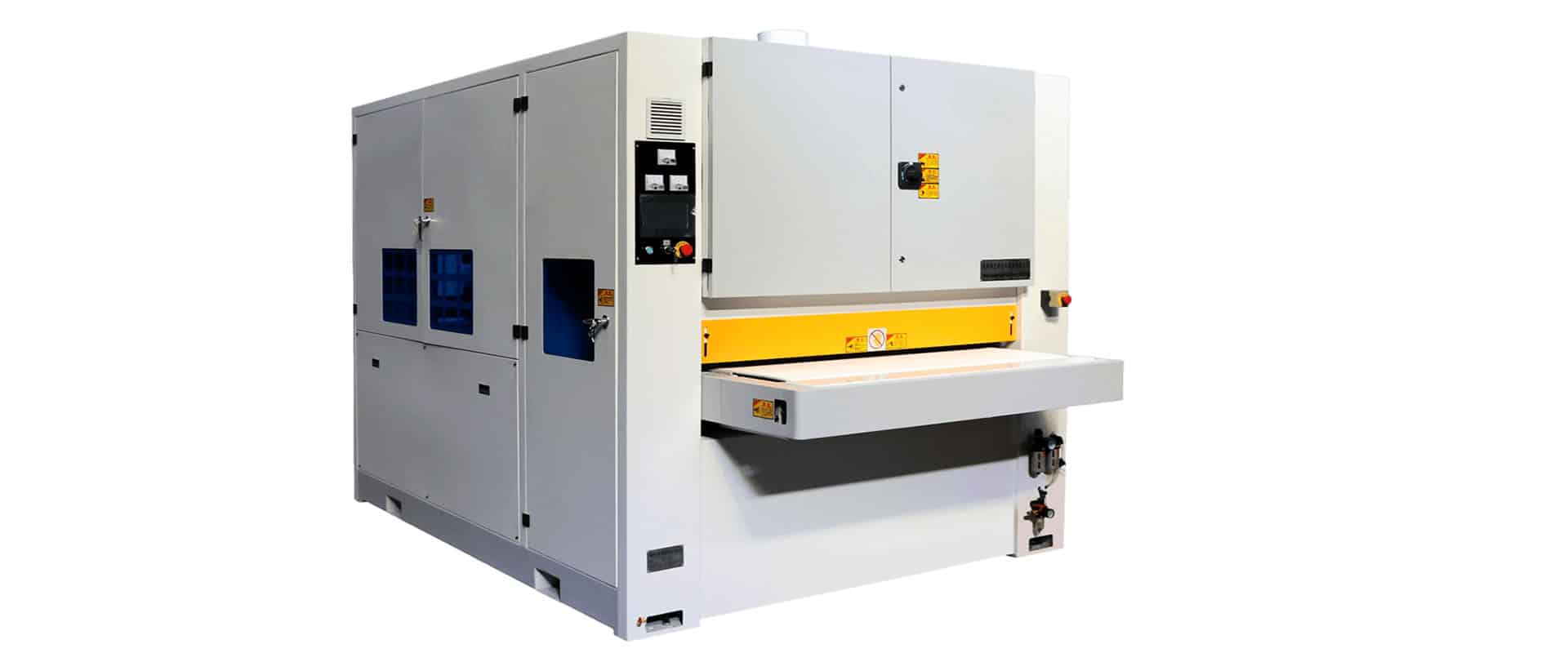
Deburring has become a critical step in modern manufacturing, ensuring precision, safety, and long‑term reliability across industries. As manufacturers work with diverse materials—from lightweight aluminum alloys to tough stainless steels and advanced aerospace metals like titanium and Inconel—the challenges of burr removal vary significantly. This article explores how deburring machines and surface finishing solutions adapt to material‑specific requirements, addressing issues such as heat sensitivity, tool loading, oxidation, and dimensional accuracy. With the rise of CNC deburring and robotic automation, companies are achieving consistent edge finishing while reducing operator error and production costs. By tailoring deburring processes to each material, manufacturers can enhance product quality, meet strict industry standards, and remain competitive in global markets.
Aluminum and Aluminum Alloys: Lightweight but Sensitive
Aluminum is widely used in industries ranging from automotive manufacturing to aerospace engineering due to its lightweight and corrosion-resistant properties. However, its softness and malleability present unique challenges during deburring.
Key Challenges
Prone to swarf loading on cutting tools
Low melting point, risk of edge deformation
Susceptibility to heat damage during aggressive processing
Optimized Deburring Solutions
Use of open-coat abrasives to resist loading and maintain efficiency
Variable speed control for different alloys (pure aluminum vs. 6000-series)
Minimal material removal to preserve part dimensions
By applying these techniques, manufacturers achieve clean, bright edges that enhance both aesthetics and functionality, ensuring aluminum components meet strict industry standards.
Stainless Steel and High-Alloy Materials: Tough but Heat-Sensitive
Stainless steel is a cornerstone of industries such as medical device manufacturing, food processing, and marine engineering. Its hardness and toughness demand aggressive deburring, but overheating can cause discoloration and compromise corrosion resistance.
Key Challenges
High toughness requires stronger abrasives
Heat tint formation reduces corrosion resistance
Risk of damaging surface finish
Optimized Deburring Solutions
Adjustable speeds and intermittent cycles to control temperature
Specialized tooling for stainless steel burr removal
Maintaining bright, clean edges without heat-affected zones
For industries where hygiene and durability are critical, precision deburring equipment ensures stainless steel parts retain their corrosion resistance and professional finish.
Carbon and Alloy Steels: Strength Meets Precision
Carbon steel and alloy steels are common in construction, automotive, and heavy machinery manufacturing. These materials often require deburring after laser cutting, plasma cutting, or mechanical machining.
Key Challenges
Presence of scale and oxidation after cutting
Need for aggressive removal of heat-affected zones
Maintaining dimensional tolerances in precision parts
Optimized Deburring Solutions
High-strength abrasive tools for rapid material removal
Controlled processing to avoid geometry distortion
Consistent edge finishing for tight tolerance applications
By combining aggressive processing power with fine control, manufacturers can achieve both efficiency and precision in steel deburring operations.
Specialty and Exotic Materials: Advanced Solutions for Advanced Alloys
Modern industries increasingly rely on exotic materials such as titanium, Inconel, Hastelloy, and aerospace alloys. These materials offer exceptional strength and performance but present unique deburring challenges.
Key Challenges
Titanium’s reactivity and risk of contamination
Inconel’s extreme hardness and tool wear issues
Thermal sensitivity of precipitation-hardened alloys
Optimized Deburring Solutions
Customized machine parameters for each exotic alloy
Abrasive selection tailored to hardness and thermal properties
Controlled processing to preserve material integrity
By adapting deburring techniques to these advanced materials, manufacturers ensure consistent quality without compromising performance, meeting the stringent demands of aerospace and defense industries.
The Role of Automation and CNC Deburring
Across all materials, industrial automation and CNC deburring machines provide manufacturers with unmatched consistency, repeatability, and efficiency.
Advantages of Automated Deburring
Reduced operator fatigue and error
Consistent edge finishing across large production runs
Integration with smart manufacturing systems
Automation ensures that manufacturers can scale production while maintaining high-quality surface finishing standards.
Conclusion: One Machine, Multiple Materials
The ability to deburr a wide range of materials—from aluminum to stainless steel, carbon steel to exotic alloys—is what sets advanced deburring machines apart. By incorporating material-specific parameters, adaptive tooling, and CNC automation, manufacturers can achieve:
Superior surface finishing quality
Enhanced production efficiency
Improved customer satisfaction and trust
Whether you are in metal fabrication, aerospace, automotive, or medical manufacturing, investing in a precision deburring machine ensures your products meet the highest industry standards.
