
Introduction
Large sheet‑metal components such as electrical cabinet roof panels often suffer from warping, waviness, and residual stress after stamping. These defects not only affect assembly accuracy but also lead to customer complaints, high rework rates, and unstable product quality.
This case study presents how a leading Southeast Asian cabinet manufacturer successfully eliminated stamping deformation by implementing a precision multi‑roller leveling machine, achieving stable flatness of 0.1–0.3 mm and significantly improving production efficiency.
Customer Background
The customer is a well‑known producer of electrical cabinets, network enclosures, and industrial equipment housings. Their products are exported to Europe and North America, where strict flatness requirements apply—especially for top covers, which are large thin‑sheet components prone to distortion.
Before adopting a leveling solution, the customer faced persistent quality issues that affected both production and overseas delivery.
Challenges Before Improvement
The customer’s stamped roof panels showed:
Overall warping of 1–2 mm
Local dents and wave patterns caused by uneven material flow
High residual stress leading to unpredictable springback
Manual straightening taking 8–12 minutes per piece
Rework rate reaching 18%
Frequent complaints from overseas buyers
Despite optimizing die clearance, increasing blank‑holding force, and using multi‑step stamping, the deformation problem remained unsolved.
Solution: Introducing a Precision Multi‑Roller Leveling Machine
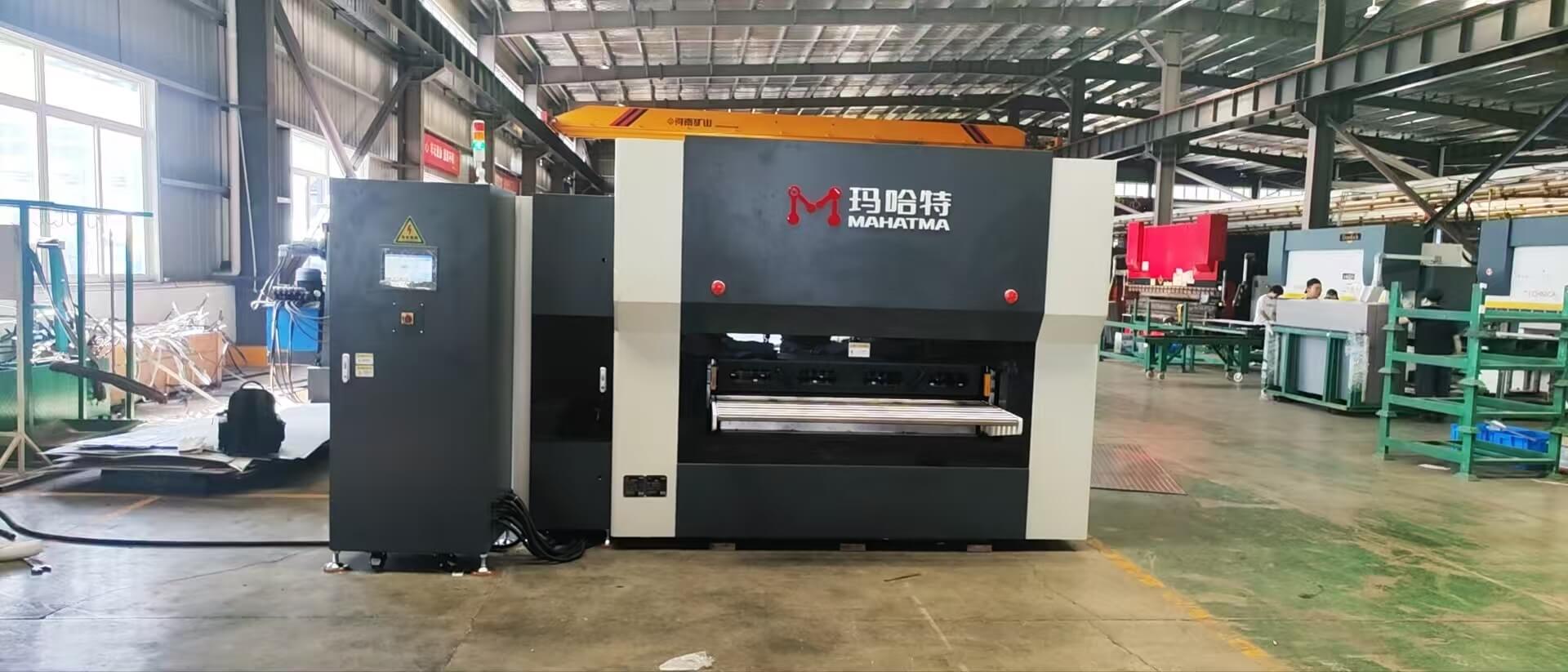
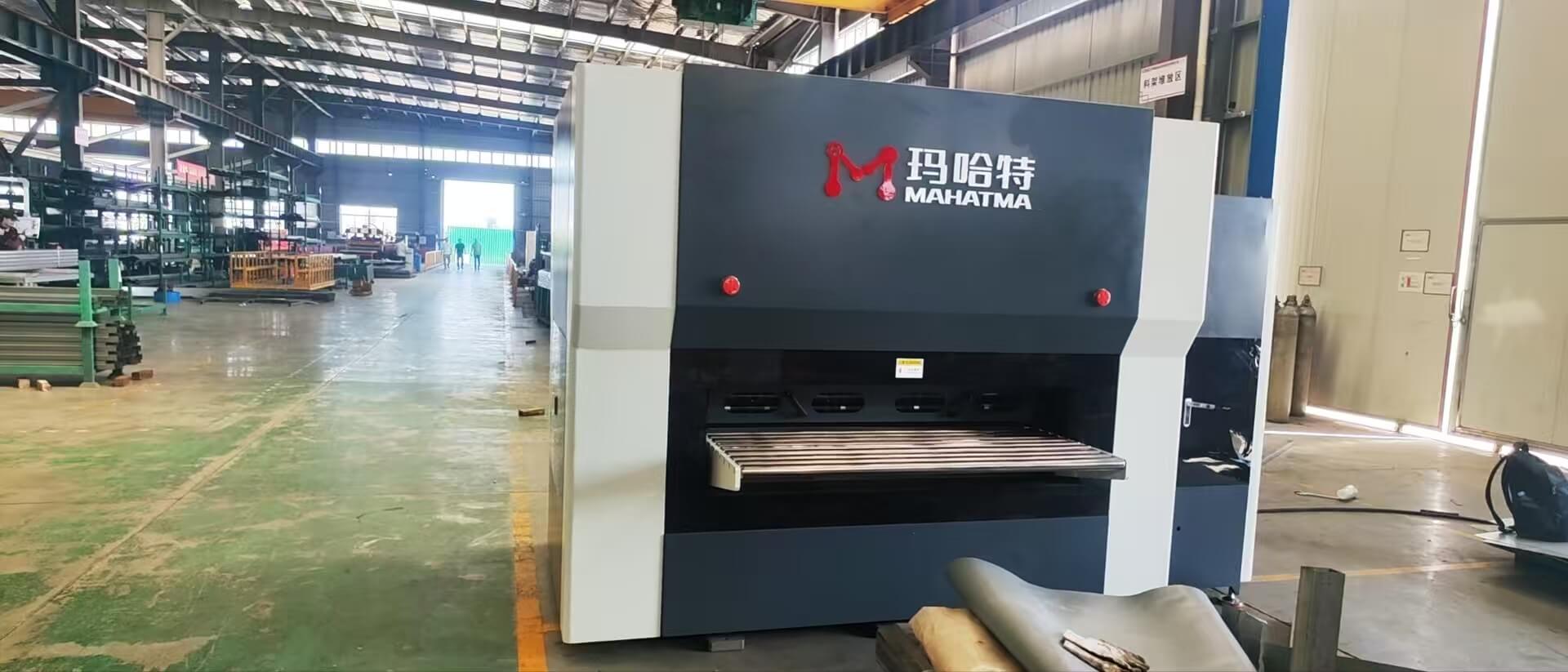
After evaluating the customer’s material (SPCC 1.2 mm), stamping structure, and flatness requirements, we recommended the MH‑13 Precision Leveling Machine, designed for sheet thicknesses from 0.5–6 mm.
Key Features of the MH‑13 Leveling Machine
13 upper and lower precision leveling rollers
Roller pitch equal to 8–10× sheet thickness
Servo‑controlled automatic adjustment
Achievable flatness: 0.05–0.3 mm
Suitable for large stamped components such as roof panels, side panels, doors, and covers
Implementation Process
1. Direct Post‑Stamping Leveling
Roof panels were fed into the leveling machine immediately after stamping, eliminating manual straightening.
2. Optimized Leveling Parameters
Based on SPCC 1.2 mm material:
Entry roller penetration: 0.15 mm
Exit roller release: 0.05 mm
Leveling speed: 6–8 m/min
3–5 passes for maximum stress relief
3. Standardized Production Workflow
We helped the customer establish:
Material batch inspection procedures
Stamping → Leveling → QC workflow
Flatness acceptance criteria (≤0.3 mm)
Results After 30 Days of Production
The improvement was immediate and measurable:
| Metric | Before | After |
|---|---|---|
| Roof panel warping | 1–2 mm | 0.1–0.3 mm |
| Rework rate | 18% | 2% |
| Manual straightening | 8–12 min/pc | 0 min (fully automated) |
| Production efficiency | 70 pcs/hour | 120 pcs/hour |
| Customer complaints | 3–5 per month | 0 |
The customer’s export shipments passed third‑party flatness inspections without any issues.
Customer Testimonial
“Stamping deformation used to be our biggest headache. Manual straightening was slow and inconsistent. After installing the precision leveling machine, flatness stabilized around 0.2 mm, assembly became easier, and customer satisfaction improved dramatically. This is the best equipment investment we’ve made in years.”
Why Precision Leveling Works
Precision multi‑roller leveling is one of the most effective methods for correcting stamping deformation because it:
Eliminates internal stress through controlled bending
Produces consistent flatness across large sheet‑metal surfaces
Prevents springback and waviness
Standardizes quality regardless of operator skill
Supports high‑volume automated production