

Roller leveling and plate leveling are the two main techniques
In order to remove flatness flaws like waves, crossbow, coil set, and buckles from metal sheets, coils, and plates, metal leveling is an essential metalworking procedure. A flat, stable product that is prepared for further manufacturing processes like laser cutting, punching, or welding is produced by carefully bending the material past its elastic limit to release internal stresses. Roller leveling and plate leveling are the two main techniques for this.
Leveling of Rollers
A high-precision technique, roller leveling is mostly applied to coil-fed material and thin-to-medium gauge metal sheets. For applications requiring exceptional flatness and a stress-free finish, it is the preferred method. ♙️
A set of closely spaced, small-diameter work rolls arranged in upper and lower banks that are offset from one another form the core of a roller leveler. The metal sheet undergoes a sequence of alternating bends as it moves through the machine. At the leveler’s entrance, the bends are the most severe, and they progressively get less so as you move out. The internal stresses throughout the material’s cross-section are equalized by this repeated bending and unbending.
The quantity, diameter, and spacing of the rolls all affect how well roller leveling works. For thinner, more delicate materials like aluminum, stainless steel, and high-strength steels, a greater quantity of smaller-diameter rolls enables more accurate control.
Primary Uses: Accurate sheet metal fabrication Automobile body panels and components Aerospace parts Appliance manufacturing
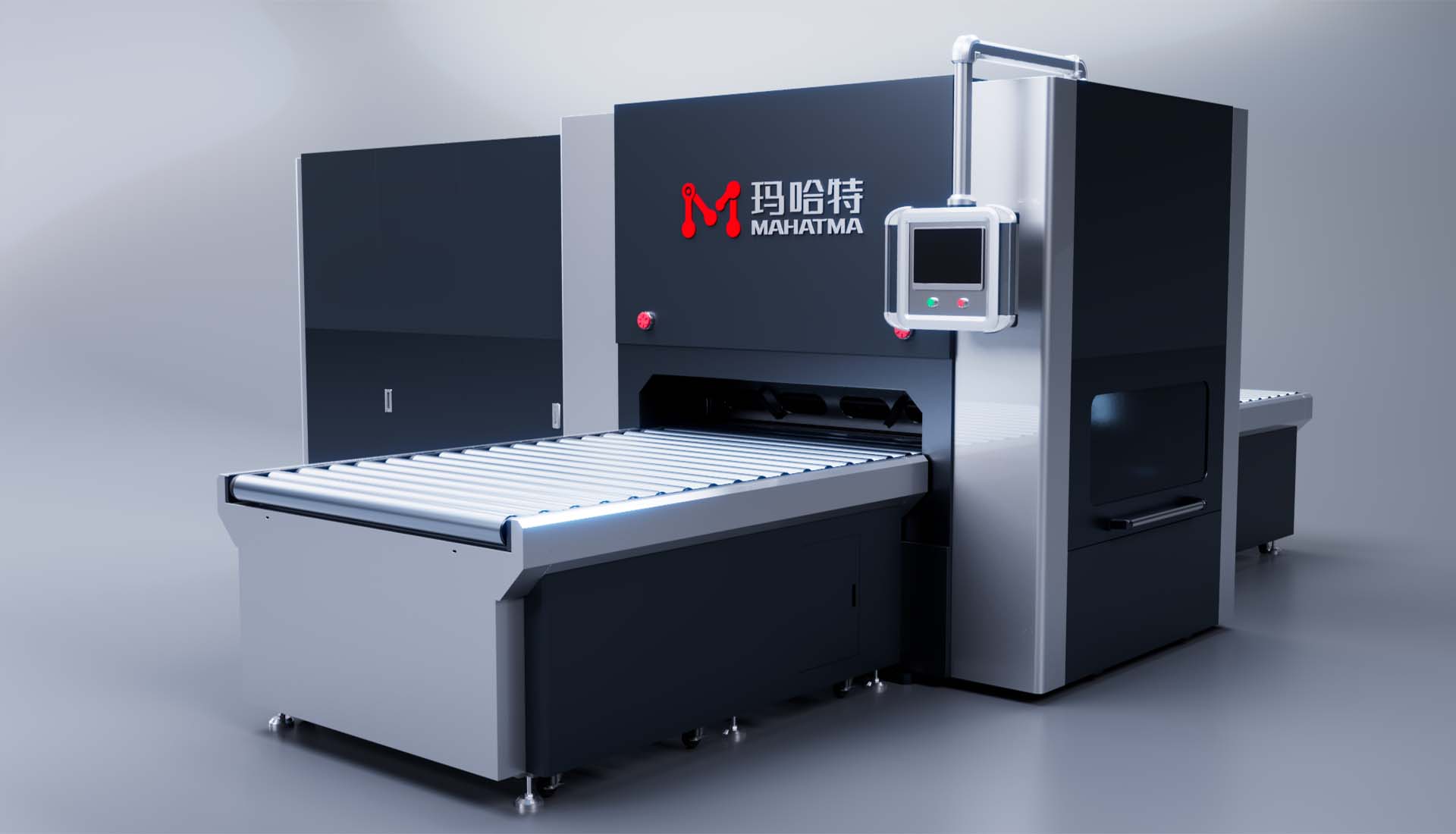
Leveling Plates
Although plate leveling is designed for heavy-duty applications involving thick metal plates (usually above 10 mm or 3/8 inch), it works on the same principle as roller leveling. To manage the tremendous forces needed to level thick materials, the equipment is much more durable.
Compared to their sheet-leveling counterparts, plate levelers have fewer but significantly larger and more robust work rolls. The leverage required to bend the thick plate past its yield point is provided by the larger roll diameter. To withstand the separating forces produced during the process, these machines are constructed with incredibly rigid frames.
Plate leveling aims to guarantee the material’s structural integrity for demanding applications where stability is crucial, in addition to achieving flatness.
Primary Uses: Building ships and offshore structures Building bridges Manufacturing heavy machinery and equipment Building storage tanks and pressure vessels
Leveling plates and rollers is essential to contemporary manufacturing. From a sleek car door to the hull of a massive ship, choosing the right method is essential to guaranteeing the final product’s quality, performance, and dependability.