
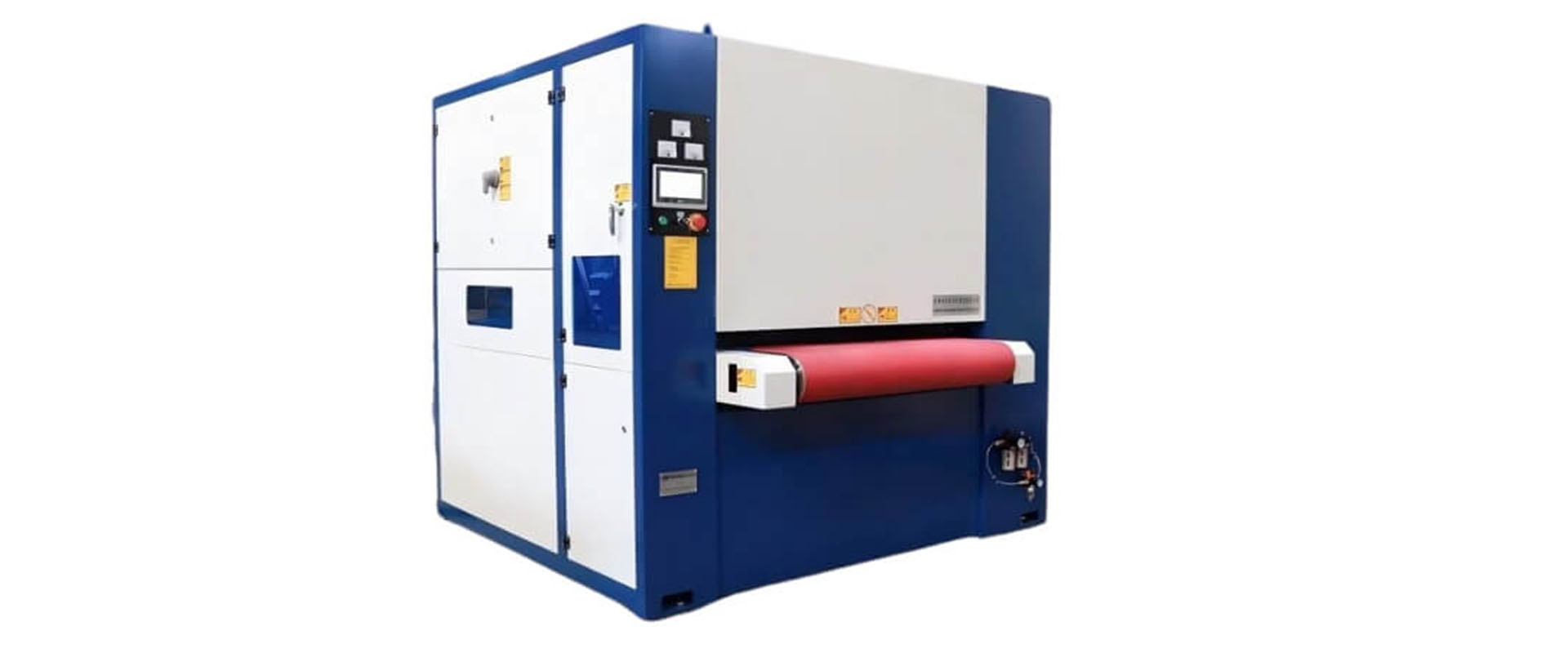
Why Laser-Cut Edges Look Imperfect
When a high-powered laser cuts through metal, the intense heat that it generates melts the material at the cut edges and creates a heat-affected zone (HAZ) that has different metallurgical properties than the base material. During the cutting process, burrs are also generated, which are small projections of melted or solidified material adhering to the cut edge. Although these imperfections may be barely visible to the naked eye, they can have a significant effect on part functionality, assembly accuracy and overall product quality. In applications ranging from automotive components to aerospace structures these seemingly minor defects can lead to poor fit-up accelerated wear and potential failure under stress.
Automated Deburring vs. Manual Deburring
Traditional deburring methods are manual, with a skilled operator using hand tools such as files, scrapers, and grinding wheels. This method has many challenges, such as lack of consistency between operators, quality deterioration over long shifts due to fatigue, increased labor cost and possible worker safety issues. Furthermore, manual techniques are no match for the speed of modern laser cutting systems, which can produce hundreds of parts an hour. These limitations are addressed by our automated deburring machines that provide consistent, repeatable edge finishing on every part, independent of production volume or operator experience.
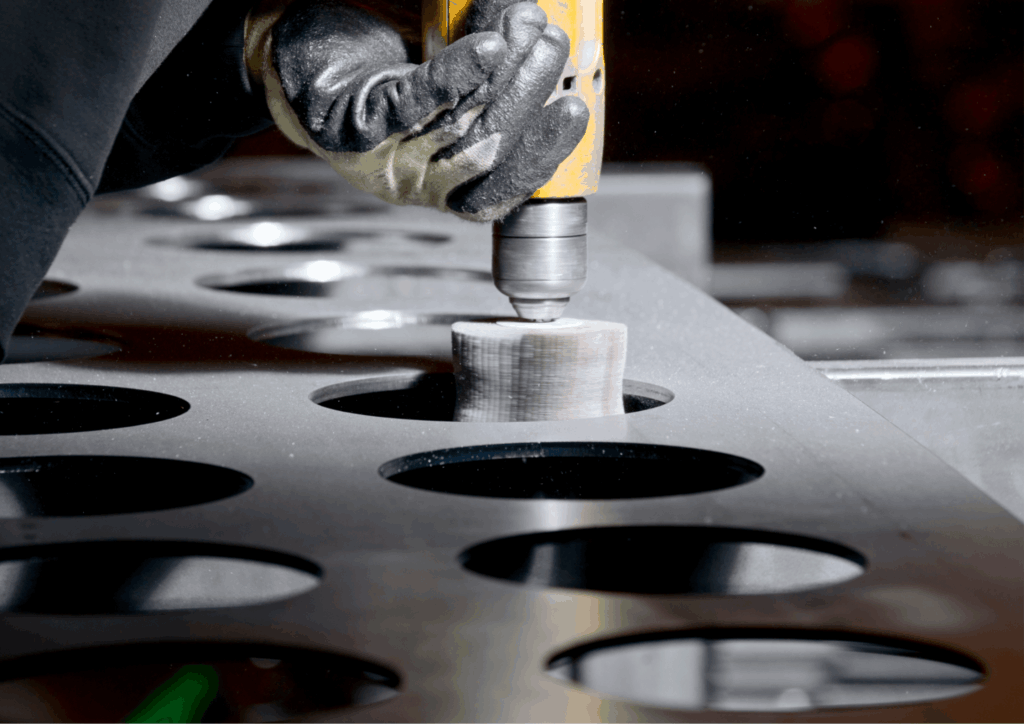
Advantages of Our Deburring Technology
Our machines have multi-axis brushing and precision abrasive units, which apply uniform pressure to the entire cut edge. With the programmable control systems, the operators can specify the edge radius requirements, surface finish parameters, and the material removal depths. This level of control ensures that each part is exactly to specification and removes the variation that occurs with manual handling. This consistency is critical for manufacturers of parts for regulated industries such as medical devices, automotive or aerospace for compliance and quality assurance.
The financial impact of automated deburring is more than just labor cost savings. They also realize quick gains in their cost-per-part numbers by reducing rejection rates and eliminating rework. The consistent quality also reduces inspection requirements, because operators can be assured that every part coming out of the deburring station is up to spec. These improvements are compounded greatly in high volume production environments, with paybacks usually exceeding initial equipment investment within months.
Versatility and Performance of Materials
Our deburring systems process a wide range of materials including carbon steel, stainless steel, aluminum, titanium and exotic alloys. Not all material is the same when it comes to deburring. Aluminum tends to load cutting tools and stainless steel can discolor from heat. We have built into our machines material specific processing parameters to optimize the tool pressure, speed and cooling to achieve the best results without compromising the material properties. Our equipment is versatile enough to accommodate everything from light gauge sheet metal to heavy plate materials, ensuring consistent quality throughout your entire product line.


