
Precision is essential in the construction and manufacturing industries. Achieving a perfectly level surface is essential for both structural integrity and visual appeal, regardless of the material you’re working with—wood, metal, or other materials. This article explores the fundamental equipment and methods used in levelling, such as levelling boards, level plates, and corrective stretcher levelling.
It’s crucial to comprehend the significance of levelling before delving into the details. For construction projects, a level surface guarantees accuracy and stability. It ensures that parts fit together properly and perform as intended during manufacturing. Additionally, levelling avoids possible problems like uneven weight distribution and material stress, which can result in structural failures.
One essential tool in the construction sector is a levelling board. It is employed to guarantee that surfaces are level and even. Usually, the board is a long, straight piece of metal or wood that is laid out across a surface. Workers can assess whether the board is flat or if adjustments are required by using a spirit level or laser level in conjunction with it.
Using a Levelling Board: A Guide
- Positioning: Lay the levelling board over the desired levelling area.
- Verify the levelness: To determine whether the board is level, use a spirit level.
- Adjust: If the board is not level, make necessary surface adjustments by adding or subtracting material until the level shows an even surface.
Levelling Board Applications
Installing flooring, constructing wall frameworks, and laying foundations all require levelling boards. In order to guarantee uniform land grading, they are also utilised in landscaping.
Corrective Stretcher Levelling:
An Accurate Method
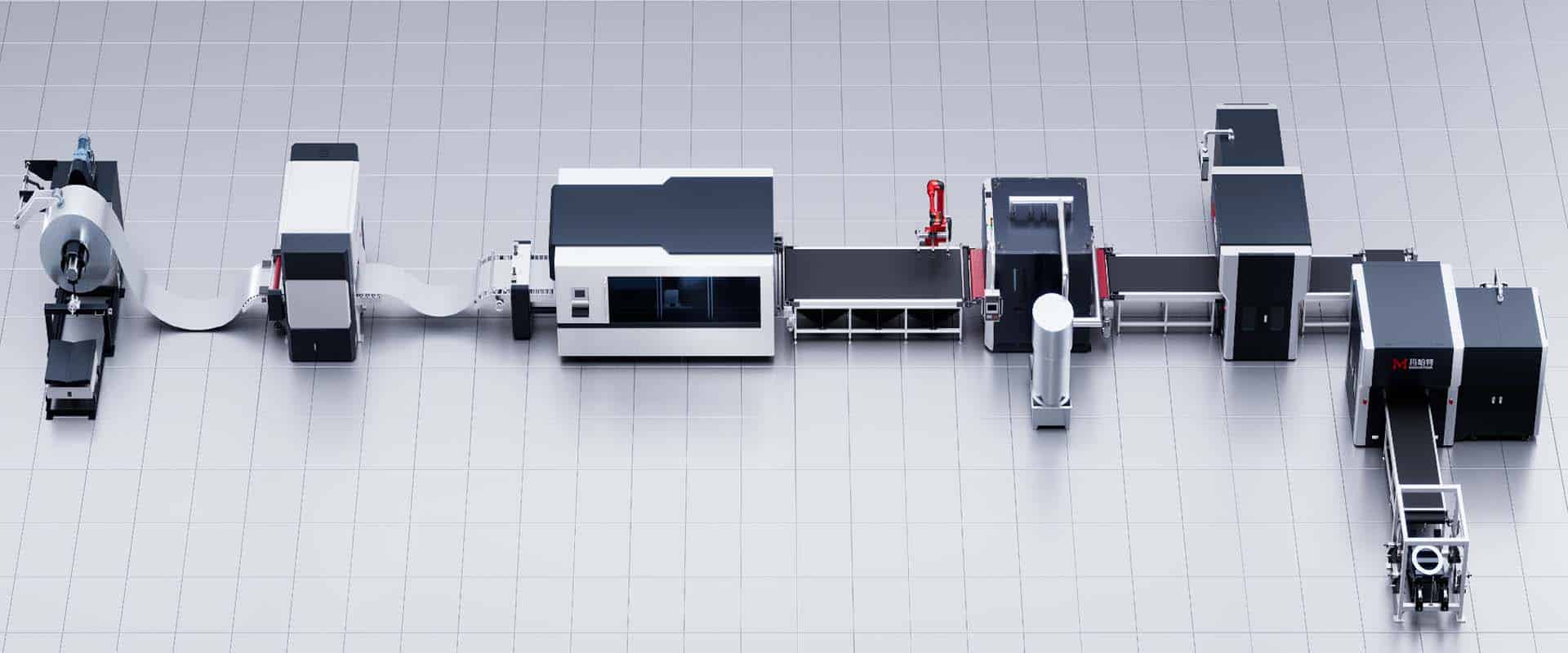
A more sophisticated technique that is mostly employed in metalworking is corrective stretcher levelling. In order to eliminate flaws and produce a smooth, level surface, metal sheets are stretched and compressed during this process.
The Corrective Stretcher Levelling Procedure
- First Evaluation: The metal sheet is examined for flaws like buckles or waves.
Stretching and Compressing: A sequence of rollers is used to stretch and compress the sheet. By distributing the stress evenly throughout the sheet, this process flattens the metal.
Final Inspection: To make sure all flaws have been fixed, the levelled sheet is examined. - Benefits of Corrective Stretcher Levelling Precision: This technique offers a high level of precision, which is necessary for applications requiring precise specifications.
Durability: By improving the structural integrity of metal sheets, corrective levelling makes them more resilient in their intended uses.
Sectors That Gain
In the construction, automotive, and aerospace sectors—where accuracy and longevity are critical—corrective stretcher levelling is extensively utilised. - Level Plate: Guaranteeing Stability and Flatness
A solid, flat plate that serves as a reference point for exact measurements is called a level plate, sometimes referred to as a surface plate. Level plates are crucial for guaranteeing the stability and flatness of components and are made of materials like granite, cast iron, or glass. - Making Use of a Level Plate Calibration: A high degree of flatness is achieved through the calibration of level plates.
- Surface of Reference: To check for variations in flatness, components are positioned on the plate.
- Evaluation and Modification: To measure any variations and enable accurate adjustments, instruments such as height gauges or dial indicators are employed.
Relevance to Manufacturing
In manufacturing processes that call for precise engineering, level plates are essential. They act as a baseline to guarantee that all machine parts are precisely flat and aligned, which is necessary for machinery to operate as intended.
- Level Plate: Guaranteeing Stability and Flatness
A solid, flat plate that serves as a reference point for exact measurements is called a level plate, sometimes referred to as a surface plate. Level plates are crucial for guaranteeing the stability and flatness of components and are made of materials like granite, cast iron, or glass. - Making Use of a Level Plate Calibration: A high degree of flatness is achieved through the calibration of level plates.
- Surface of Reference: To check for variations in flatness, components are positioned on the plate.
- Evaluation and Modification: To measure any variations and enable accurate adjustments, instruments such as height gauges or dial indicators are employed.
Relevance to Manufacturing
In manufacturing processes that call for precise engineering, level plates are essential. They act as a baseline to guarantee that all machine parts are precisely flat and aligned, which is necessary for machinery to operate as intended.
Maintenance of Level Plates: Level plates need to be cleaned and recalibrated on a regular basis to keep their accuracy. Their flatness may be impacted by dust and debris, which could result in inaccurate measurements.
Including Auto Levellers to Increase Productivity
Adding auto levellers to your levelling procedures can greatly improve accuracy and efficiency. Auto levellers are machines that, without human assistance, automatically change a surface’s level. They are especially helpful in large-scale construction and manufacturing projects where precision and timeliness are crucial.
Advantages of Auto Levellers
- Time-Saving: Auto levellers speed up projects by cutting down on the amount of time needed for levelling tasks.
- Consistency: By reducing human error and increasing overall accuracy, these devices yield consistent results.
- Versatility: From straightforward building projects to intricate manufacturing procedures, auto levellers can be employed in a range of contexts.
Putting Auto Levellers into Practice
Auto levellers must be integrated with current tools and procedures in order to be used efficiently. The full benefits of these devices are ensured by training employees on how to use them.
In many manufacturing and construction processes, achieving a perfectly level surface is essential. Every tool is essential to maintaining quality and stability, whether it is a levelling board for simple projects, corrective stretcher levelling for accurate metal fabrication, or level plates for precise measurements. The success of your projects can be increased by incorporating technologies such as auto levellers, which can further improve accuracy and efficiency.
You can guarantee the structural integrity of your projects and raise the calibre of your work by comprehending and using these levelling methods and resources. Understanding these ideas will help you accomplish your objectives and spur company expansion, regardless of your role—small business owner, startup founder, or marketing manager.
