

Understanding the Mechanics of a Part Leveler
In today’s fast-paced world, accuracy is more than just a must; it’s a key part of quality and efficiency in many fields. If you work in construction, manufacturing, or any other field that needs a flat surface, knowing how Part Leveler works can have a big effect on how well your projects turn out. The goal of this article is to explain the levelling process, explain why levelling services are important, and show how precision Levelers work, all of which will help you do your job more accurately and reliably.
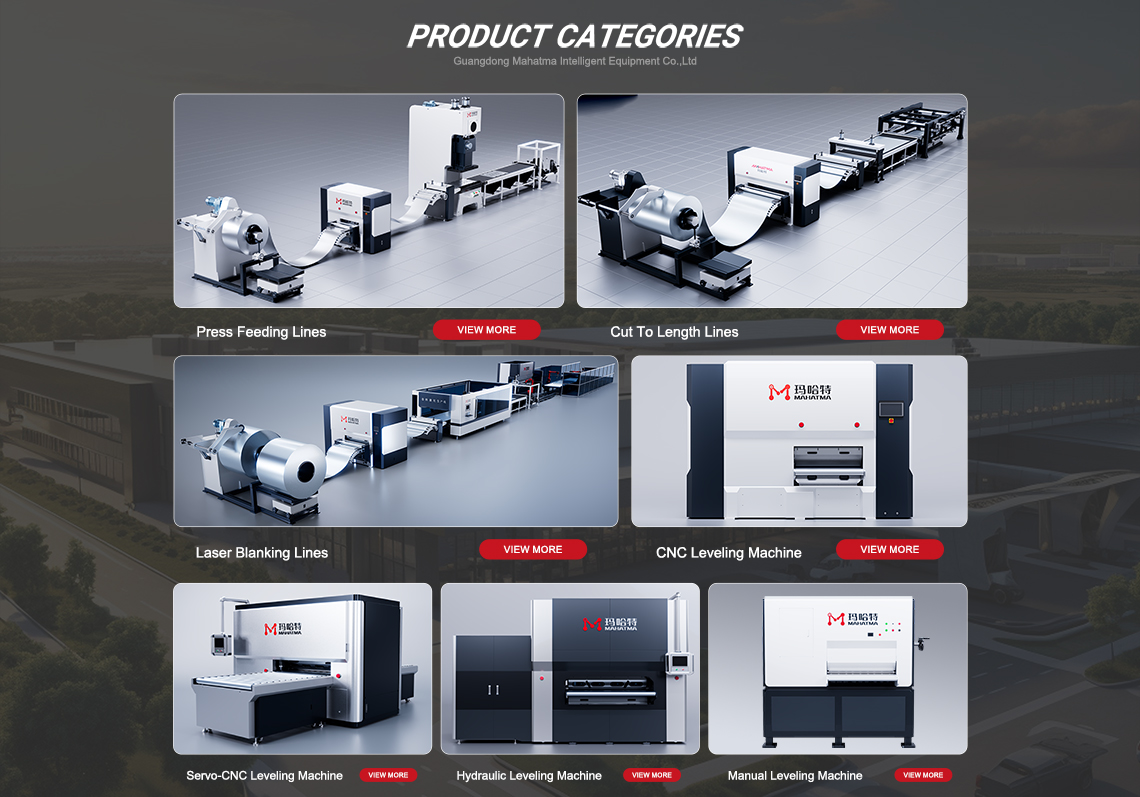
Part Leveler is a tool or machine that makes sure a surface is perfectly flat or even. In many fields, this function is very important because accuracy has a direct impact on the quality and safety of the final product. Levelers are necessary to keep standards that make sure products not only meet but also exceed expectations in terms of safety, performance, and durability. They come in a lot of different shapes and sizes, from simple handheld tools that are great for small jobs to complicated machines used in big operations that need to be very precise.
There are two main types of Levelers: manual and automatic. Each type has its own uses and benefits, which are based on the needs and situations in which they will be used.
Manual Levelers: These are often used for small jobs or when automation isn’t possible. They need the operator to manually adjust the Leveler to get the desired flatness. This hands-on approach can be helpful for tasks that need a personal touch or in places where technology isn’t practical. People like to use manual Levelers for DIY projects and small businesses because they are easy to use and cheap.
Levelers that work automatically: Automatic Levelers are often used in industries like automotive manufacturing and construction because they are very precise. These machines use sensors and smart computer programmes to change themselves automatically, which reduces the chance of human error and increases efficiency. They are perfect for big jobs where speed and consistency are very important. This lets businesses meet tight deadlines without sacrificing quality.
The Leveling process is complicated and has many important steps that must be followed to make sure that a surface is even and meets the strict standards of the industry. It’s not enough to just make a surface flat; you also need to be precise enough to meet industry standards.
Evaluation: The first step in Leveling is to look at how the surface is right now. This requires precise measurements to find any flaws that could affect the final product’s quality and integrity. It is very important to do an accurate assessment because it is the basis for all the steps that come after it.
Preparation: After the assessment is done, the surface is ready to be levelled. This could mean using different methods, like cleaning, scraping, or other methods, to get rid of dirt and flaws that could get in the way of Leveling. If you prepare properly, the Leveling process will go smoothly and without any surprises.
Leveling: The actual Leveling process is different for each type of leveller. An operator has to make careful physical changes to manual levellers, but automatic levellers use advanced sensors and software to get the right level. This step is very important for making sure that the surface meets the required standards for quality and accuracy.
Verification: After Leveling, the surface is carefully checked for correctness. This means measuring the surface again to make sure it meets the standards. Verification is an important step to make sure that the Leveling process worked and that the surface is ready for its intended use.
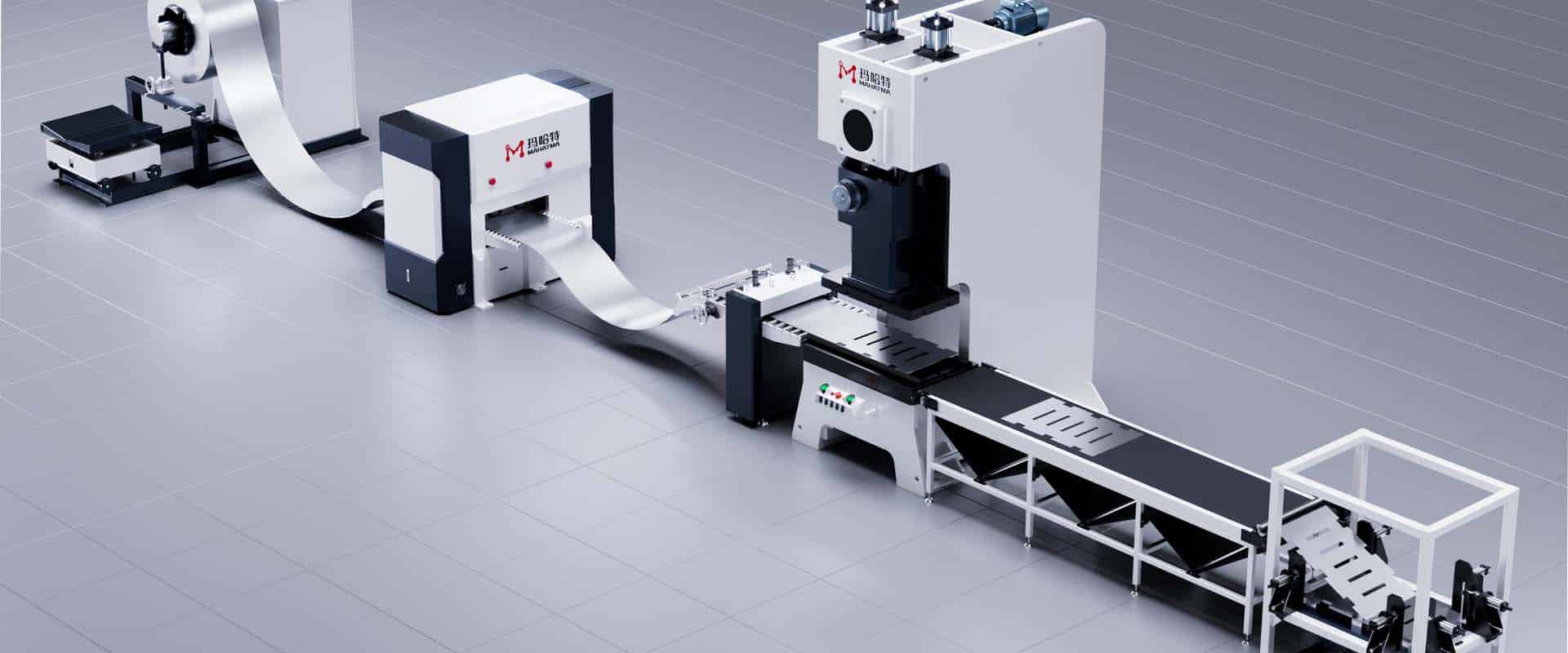
Industries that need very high levels of accuracy need precision levelers. They are very important for making sure that products meet strict quality standards and work as they should. For example, in construction, a flat surface is necessary for the building’s structural integrity, which affects everything from safety to how good it looks.
Accuracy: Precision levelers give you a level of accuracy that is hard to get with manual methods. In fields like aerospace or electronics manufacturing, where even the smallest mistake can cause big problems, this level of accuracy is very important.
Efficiency: Automatic levelers can do jobs much faster than manual levelers, which lowers labor costs and boosts productivity. In today’s competitive market, being able to streamline operations and cut down on downtime is a big plus.
Consistency: Precision levelers make sure that the results are always the same, which is important for quality control. Consistency not only makes the product more reliable, but it also builds trust and satisfaction among customers, which leads to long-term business success.
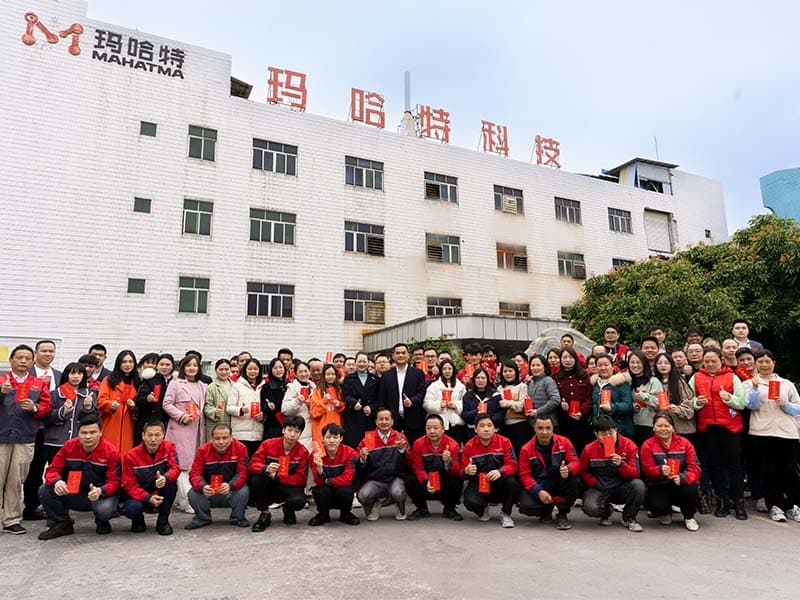
Companies that specialize in leveling offer leveling services. These services are especially useful for big projects where accuracy is important and where having the right skills can improve results and make processes more efficient.
Expertise: Leveling service providers have the skills and tools they need to do difficult leveling jobs. Because they have been through similar situations before, they can quickly and effectively plan for problems and come up with good solutions.
Tailored Solutions: They provide tailored solutions that meet the unique needs of each project. This customization makes sure that each project gets the attention and resources it needs, which increases the chances of success.
Quality Control: Professional leveling services include strict quality checks to make sure that the surface meets industry standards. This assurance gives you peace of mind and makes sure that the finished product will work as planned.
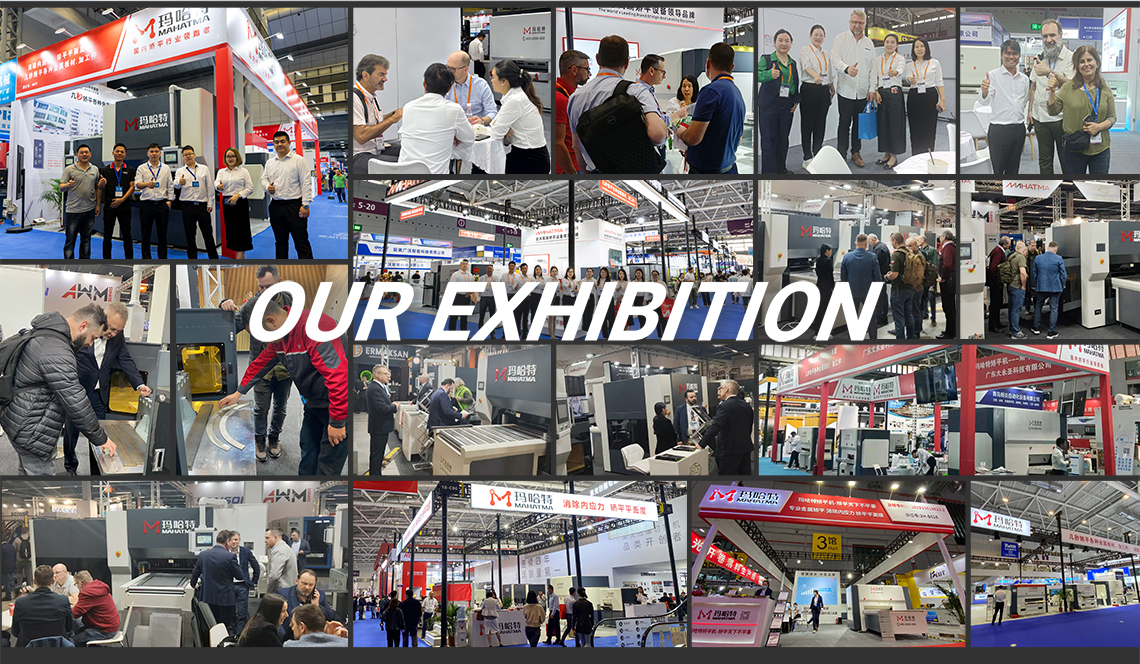
Anyone who works in an industry where accuracy is important needs to know how a leveler works. The leveling process makes sure that surfaces meet the quality and safety standards, no matter if you’re using a manual or automatic leveler. Precision levelers are essential tools in modern industry because they are accurate, efficient, and consistent. If you’re starting a project that needs leveling, you might want to think about hiring professional leveling services to get the best results.
You can make smart choices that improve the quality and success of your projects by understanding how a leveler works and how to level something. Using these technologies and services not only makes your work better, but it also sets your business up to do well in a world that values accuracy.
