
Introduction
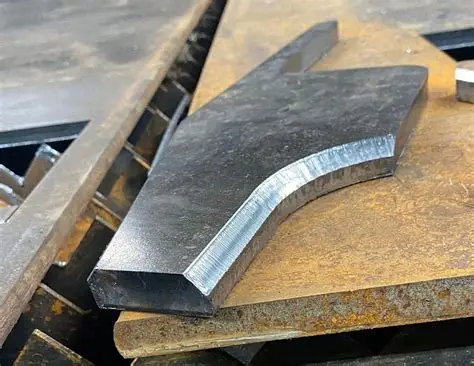
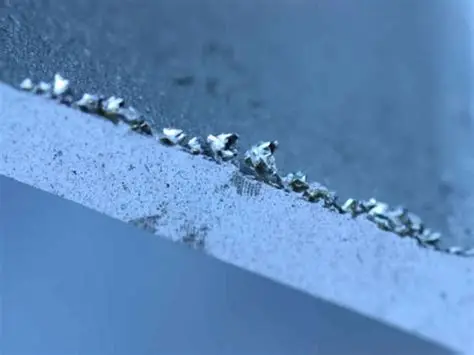
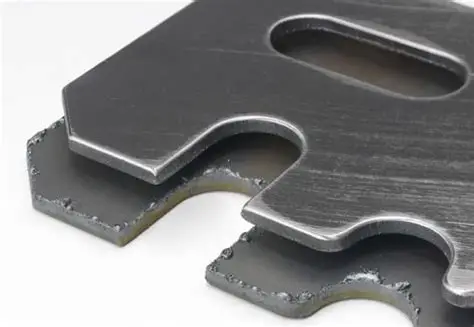
In modern manufacturing, deburring machines have become indispensable tools for ensuring precision, safety, and efficiency. Burrs—tiny, sharp projections left behind after machining, cutting, or stamping—may seem minor, but they pose significant risks to both product quality and operator safety. Left untreated, burrs can compromise dimensional accuracy, interfere with assembly, and create hazards for workers handling parts.
While automated deburring is far safer than traditional manual methods involving files, grinders, or sandpaper, it is not risk-free. A truly safe deburring operation requires a combination of engineering controls, personal protective equipment (PPE), standardized procedures, and operator awareness. This article explores the full spectrum of deburring safety, offering manufacturers a comprehensive guide to protecting their workforce and safeguarding their business.
Engineering Controls and Machine Safety Features
Modern deburring equipment integrates multiple layers of safety protection, designed to minimize risks during operation. These engineering controls form the foundation of safe manufacturing environments.
Emergency Stop Systems
- Function: Immediately halts machine motion when activated.
- Benefit: Provides operators with a quick response mechanism in case of unexpected hazards.
- Industry Standard: Emergency stop buttons must be clearly marked, easily accessible, and tested regularly.
Interlock Systems
- Function: Prevents machine operation when guards are opened or removed.
- Benefit: Eliminates the risk of accidental contact with moving parts.
- Application: Essential in high-speed brushing or grinding operations where rotating tools pose entanglement risks.
Soft-Start Functions
- Function: Gradually brings rotating tools up to operating speed.
- Benefit: Eliminates sudden startup shocks that could destabilize parts or surprise operators.
Ergonomic Design
- Function: Reduces operator strain during material handling.
- Benefit: Prevents musculoskeletal injuries, especially when handling heavy or awkward components.
Keywords: deburring machine safety features, CNC deburring equipment, ergonomic industrial design
Personal Protective Equipment (PPE) Requirements
Even the most advanced deburring machines cannot eliminate the need for PPE. Operators must be equipped with appropriate gear to protect against airborne particles, noise, and physical hazards.
Eye and Face Protection
- Safety Glasses or Face Shields: Protect against flying fragments and dust.
- Best Practice: Use anti-fog, scratch-resistant lenses for clear visibility.
Hearing Protection
- Earplugs or Earmuffs: Necessary when operating at high speeds, as noise levels can exceed safe exposure limits.
- Industry Note: OSHA regulations require hearing protection when noise exceeds 85 dB.
Hand Protection
- Work Gloves: Protect against sharp edges during material handling.
- Caution: Gloves must not present entanglement hazards with rotating components.
Respiratory Protection
- Dust Masks or Respirators: Required when operations produce airborne dust or fumes.
- Integrated Dust Collection Systems: Capture particles at the source, reducing contamination and health risks.
Lifting Aids
- Mechanical Hoists or Assistive Devices: Prevent musculoskeletal injuries when handling heavy parts.
Procedures and Training: The Human Element
Engineering controls and PPE are only effective when paired with proper procedures and comprehensive training.
Operator Training
- Initial Training: Covers machine operation, emergency procedures, and recognition of abnormal conditions.
- Refresher Courses: Reinforce safety awareness and introduce updated protocols.
- Cross-Training: Ensures multiple operators are capable of handling emergencies.
Standardized Procedures
- Material Handling Protocols: Define safe lifting techniques and part transfer methods.
- Jam Clearance Procedures: Prevent operators from improvising unsafe methods.
- Emergency Response Plans: Ensure quick, coordinated action during incidents.
Workplace Organization
- Clean Work Areas: Prevent slips, trips, and falls.
- Tool Management: Reduce clutter and eliminate hazards from misplaced equipment.
Safety Culture
- Encourage Reporting: Operators should report concerns or near-misses.
- Root Cause Analysis: Address underlying issues before they escalate.
- Management Commitment: Leadership must prioritize safety as a core value.
Common Hazards in Deburring Operations
Despite safety measures, certain hazards remain inherent to deburring processes. Recognizing these risks is the first step toward mitigation.
Mechanical Hazards
- Rotating Tools: Risk of entanglement or accidental contact.
- Sharp Edges: Potential for cuts during material handling.
Noise Hazards
- High-Speed Brushing/Grinding: Can exceed safe exposure limits.
- Solution: Implement noise monitoring and enforce hearing protection.
Airborne Hazards
- Dust and Particles: Generated during abrasive deburring.
- Solution: Use dust extraction systems and respiratory protection.
Ergonomic Hazards
- Heavy Components: Risk of musculoskeletal strain.
- Solution: Introduce lifting aids and ergonomic workstations.
Regulatory Compliance and Standards
Manufacturers must comply with international safety standards to protect workers and avoid penalties.
OSHA (Occupational Safety and Health Administration)
- Sets workplace safety requirements in the United States.
- Covers PPE, noise exposure, and machine guarding.
ISO Standards
- ISO 12100: Safety of machinery—general principles for design.
- ISO 13849: Safety-related parts of control systems.
CE Marking (Europe)
- Ensures machinery meets EU safety requirements.
Local Regulations
- Vary by country but often align with international standards.
Business Benefits of Deburring Safety
Safety is not just about compliance—it directly impacts business performance.
Reduced Workplace Injuries
- Protects employees from harm.
- Minimizes compensation claims and medical costs.
Improved Productivity
- Safe environments reduce downtime.
- Operators work more confidently and efficiently.
Enhanced Reputation
- Demonstrates commitment to employee welfare.
- Strengthens relationships with clients and partners.
Regulatory Protection
- Avoids fines and penalties.
- Ensures smooth audits and inspections.
Future Trends in Deburring Safety
As manufacturing evolves, safety practices must adapt to new technologies and challenges.
Automation and Robotics
- Advantage: Reduces direct operator exposure to hazards.
- Application: Robotic deburring arms handle repetitive tasks safely.
Smart Sensors and Monitoring
- Function: Detect abnormal vibrations, overheating, or tool wear.
- Benefit: Prevent accidents before they occur.
AI-Driven Safety Systems
- Application: Predict risks based on operational data.
- Benefit: Enables proactive safety interventions.
Sustainability and Health Focus
- Dust-Free Operations: Integrated filtration systems.
- Noise Reduction Technologies: Quieter motors and tool designs.
Conclusion
Deburring safety is a multifaceted responsibility that combines engineering controls, PPE, standardized procedures, and operator awareness. By investing in modern equipment, enforcing strict safety protocols, and fostering a proactive safety culture, manufacturers can protect their most valuable assets—their people—while also safeguarding their business from costly disruptions.
In an era where efficiency and precision define competitiveness, safety must remain the cornerstone of every deburring operation. A safe workplace is not only a regulatory requirement but also a strategic advantage that enhances productivity, reputation, and long-term success.
