Introduction: The Rising Demand for Thick‑Gauge Coil Processing
In modern steel fabrication, the ability to process heavy‑gauge steel coils with high precision and efficiency has become a critical competitive advantage. Industries such as shipbuilding, steel structure manufacturing, construction machinery, pressure vessel production, and heavy equipment fabrication increasingly rely on thick‑plate materials ranging from 6 mm to 25 mm. These materials often come in wide coils up to 2000 mm and weights reaching 35 tons, presenting significant challenges for conventional cut‑to‑length and transverse cutting systems.
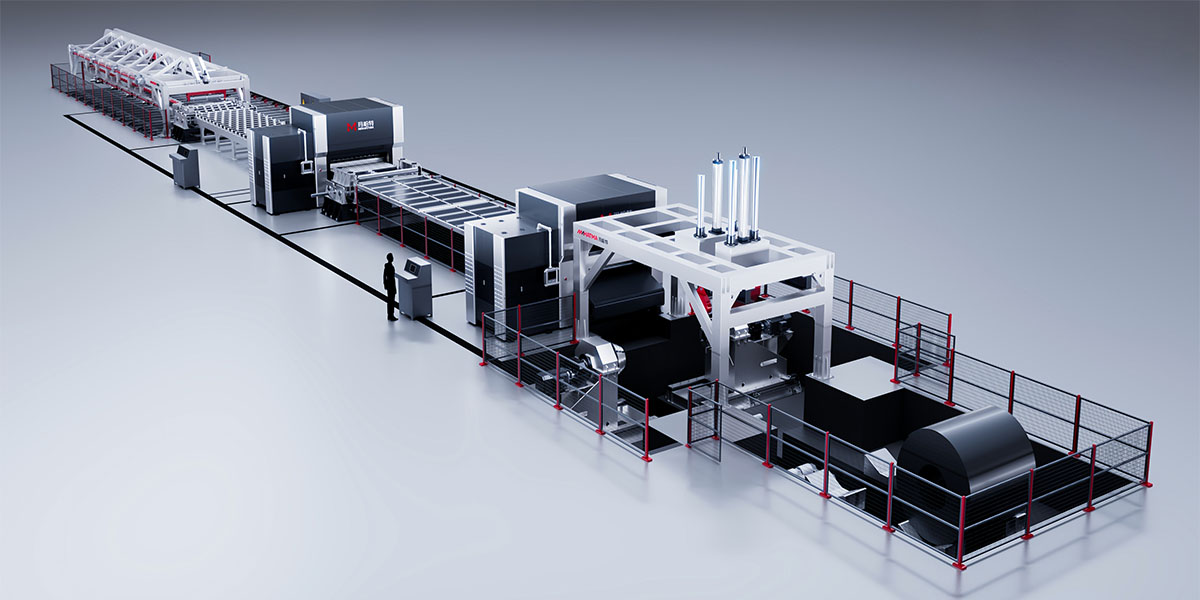
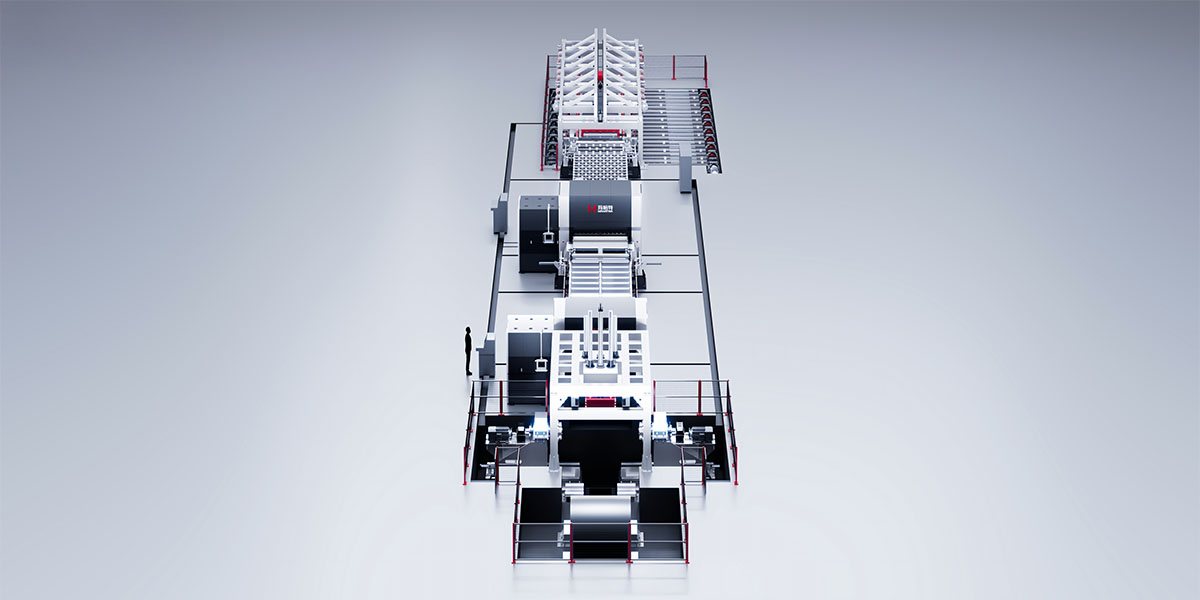
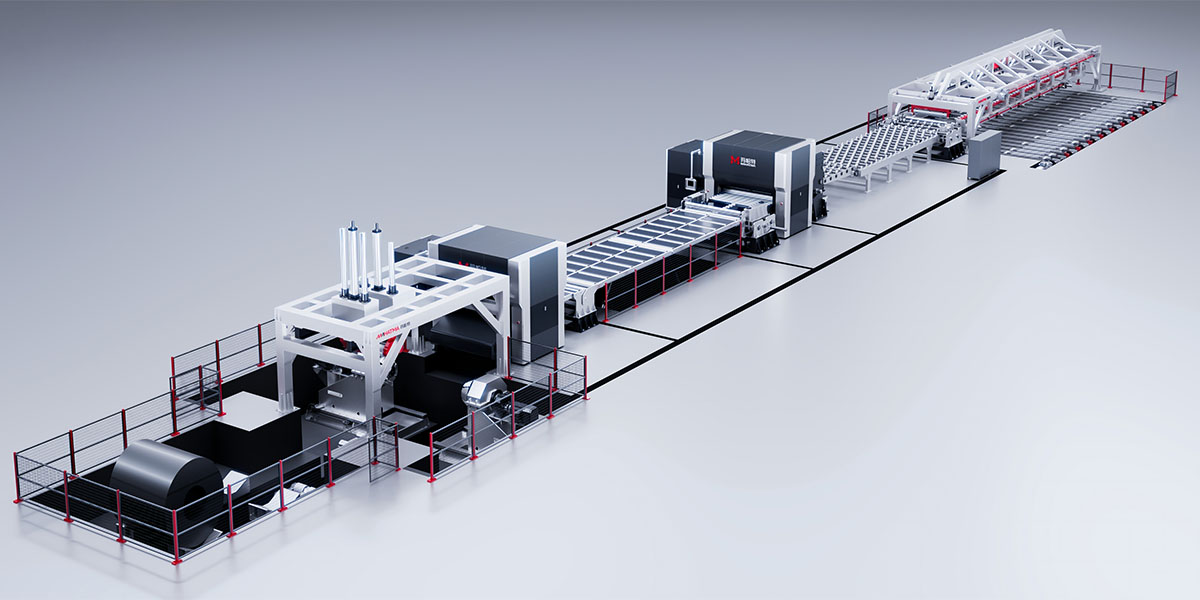
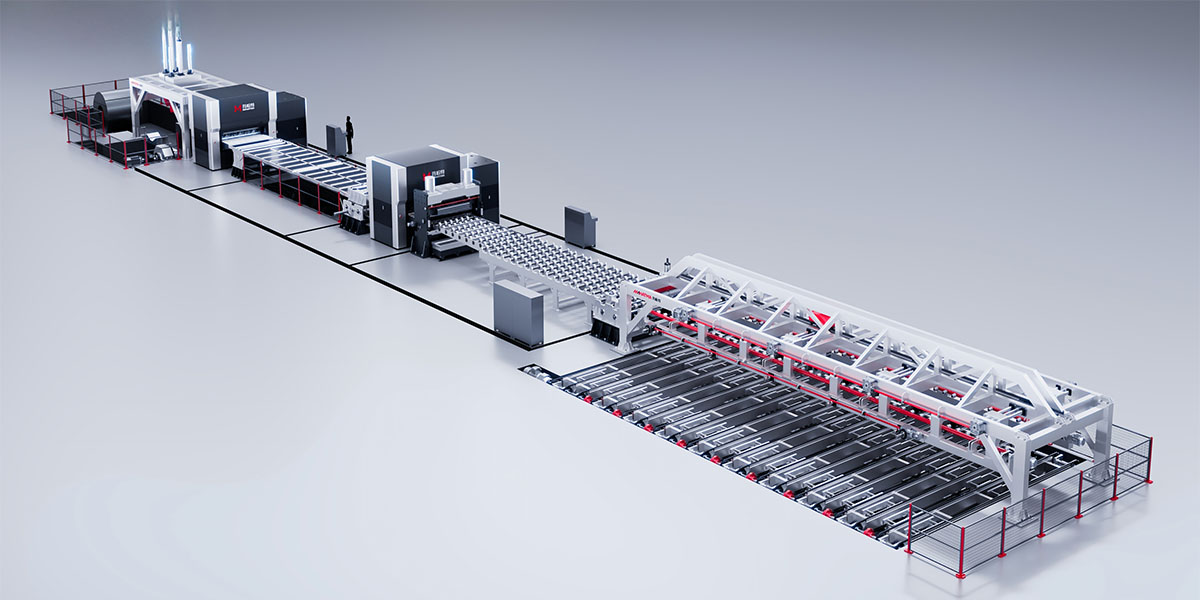
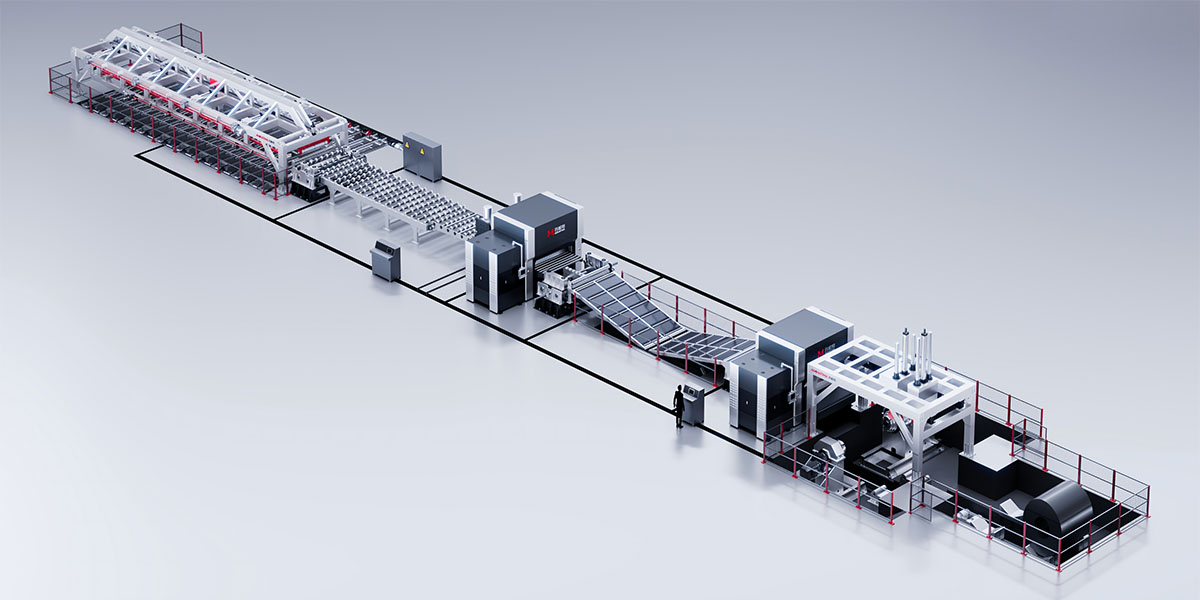
To meet these demands, manufacturers require a high‑rigidity, high‑precision transverse cutting line engineered specifically for thick‑plate processing. This article provides a comprehensive technical overview of a heavy‑duty transverse cutting line designed for 6–25 mm thickness, 2000 mm width, and 35‑ton coil weight, highlighting its structural advantages, automation capabilities, and performance benefits.
1. Engineering Challenges in Thick‑Gauge Coil Processing
Processing thick‑gauge steel coils is fundamentally different from handling thin or medium‑gauge materials. The challenges include:
High material stress requiring strong leveling capability
Large coil inertia demanding precise tension control
Heavy cutting loads requiring reinforced shear systems
Wide plate stability requiring optimized conveying and support
High‑precision length control despite material thickness and weight
A transverse cutting line designed for heavy‑gauge coils must address all these challenges simultaneously. The following sections detail how a purpose‑built system achieves this.
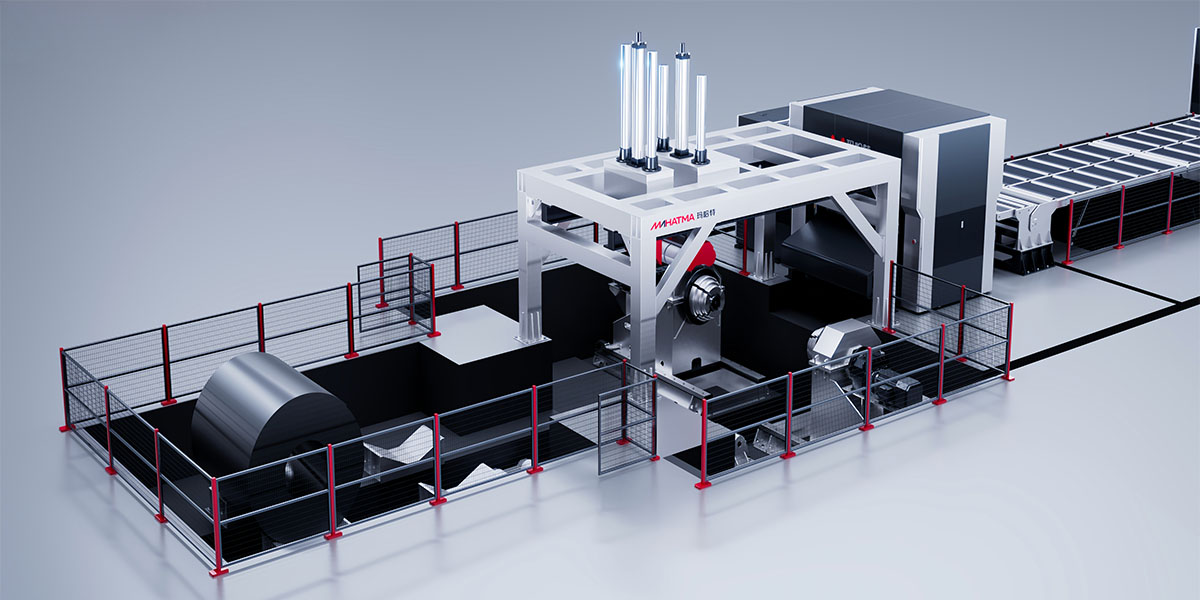
2. Heavy‑Duty Decoiler System for 35‑Ton Coils
2.1 Structural Reinforcement for Extreme Load
The decoiler is the foundation of the entire line. For 35‑ton coils, the decoiler adopts:
High‑strength alloy steel mandrel
Reinforced expansion mechanism
Oversized bearings and hydraulic cylinders
Stress‑relieved welded frame
These features ensure zero deformation and long‑term stability under continuous heavy‑load operation.
2.2 Hydraulic Stabilization and Anti‑Whip Control
Thick‑plate coils generate strong recoil forces. To counter this:
A hydraulic hold‑down arm stabilizes the coil during acceleration and deceleration.
An anti‑whip device prevents coil edge lifting and ensures operator safety.
2.3 Intelligent Tension Control
The decoiler integrates variable‑frequency tension control, synchronizing coil release with downstream leveling and feeding. This prevents:
Material surging
Plate slipping
Length deviation caused by inconsistent tension
3. High‑Rigidity Leveling System for 6–25 mm Thick Plate
3.1 Large‑Diameter Work Rolls for Deep Leveling
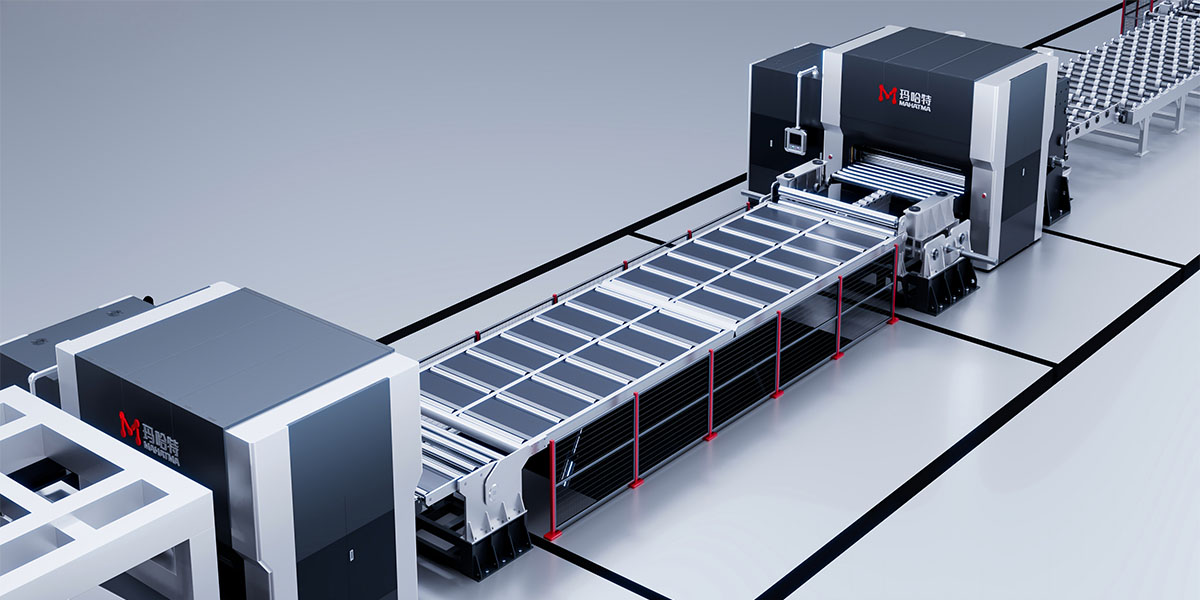
Thick‑plate leveling requires high roll pressure and deep penetration. The leveling machine features:
Large‑diameter work rolls
High‑rigidity frame structure
Precision roll bearings
Hydraulic roll adjustment
These components ensure effective leveling even for high‑strength steel.
3.2 Automatic Roll Adjustment and Stress Compensation
The leveling system uses multi‑point automatic adjustment to compensate for:
Material thickness variation
Coil hardness differences
Residual stress distribution
This ensures consistent flatness across the entire plate width.
3.3 Wear‑Resistant Roll Materials
Work rolls are made from high‑wear alloy steel or carbide‑enhanced materials, providing long service life when processing:
Carbon steel
Stainless steel
High‑strength structural steel
Shipbuilding steel
4. Precision Length Control and Transverse Cutting
4.1 Servo‑Synchronized Shear System
The transverse shear is the core of the cutting line. For thick‑plate cutting, the system uses:
High‑torque servo synchronization
Reinforced shear frame
High‑toughness HSS or carbide blades
This ensures clean, burr‑free cuts even at 25 mm thickness.
4.2 High‑Accuracy Length Measurement
Length accuracy is critical for downstream fabrication. The line integrates:
High‑precision encoders
Servo‑driven feed rollers
Closed‑loop feedback control
Length tolerance can be controlled within ±0.5 mm, even for heavy‑gauge materials.
4.3 Blade Material and Cutting Performance
Shear blades are selected based on material type:
HSS blades for general carbon steel
Carbide blades for high‑strength steel
Special alloy blades for stainless steel
This ensures long blade life and consistent cutting quality.
5. Reinforced Structural Design for Maximum Stability
5.1 Stress‑Relieved Box‑Type Frame
The main frame adopts:
Box‑type welded structure
Full stress‑relief heat treatment
High‑rigidity support beams
This prevents deformation during long‑term heavy‑load operation.
5.2 Oversized Transmission Components
To handle thick‑plate loads, the line uses:
Heavy‑duty gearboxes
Oversized chains and sprockets
Industrial‑grade bearings
Reinforced shafts and couplings
These components ensure stable operation at high throughput.
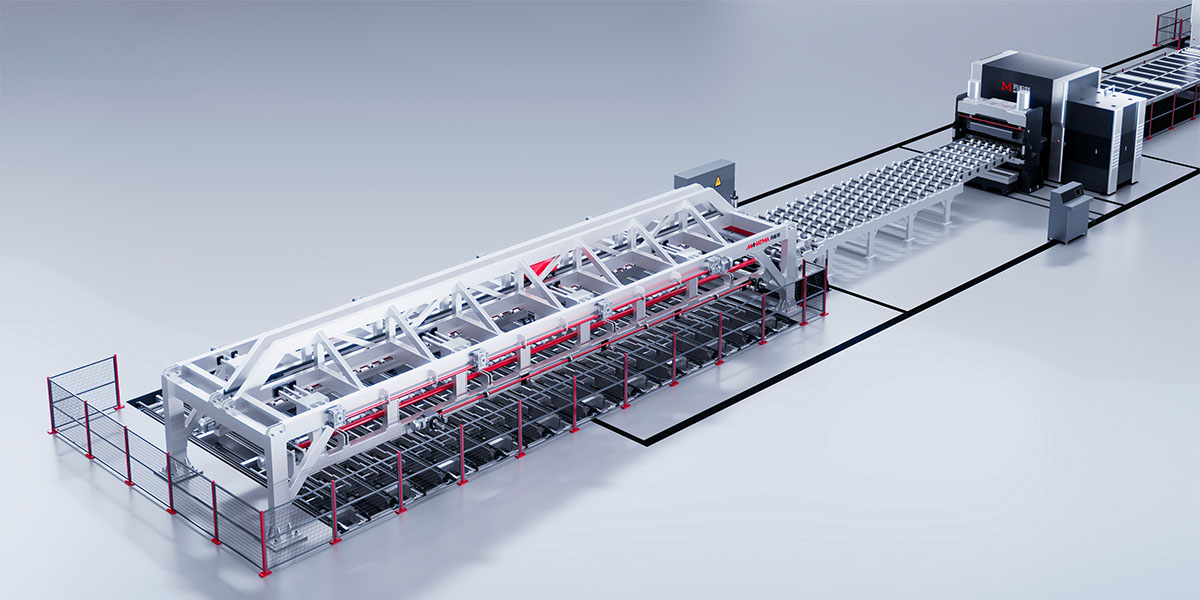
5.3 Optimized Material Flow and Conveying
Wide plates require stable conveying. The line includes:
Wide‑format support tables
Anti‑scratch rollers
High‑strength conveyor belts
Automatic stacking system (optional)
6. Intelligent Automation and Digital Integration
6.1 PLC + Servo Integrated Control
The entire line is controlled by a high‑performance PLC system with servo integration, enabling:
Automatic tension control
Automatic edge guiding
Automatic length setting
Real‑time fault monitoring
6.2 MES / ERP Connectivity
For smart manufacturing environments, the line supports:
MES data upload
Production tracking
Quality traceability
Remote diagnostics
6.3 Operator‑Friendly Interface
The HMI interface provides:
Real‑time production data
Automatic parameter presets
Maintenance reminders
Error diagnostics
7. Applications Across Heavy Industries
This transverse cutting line is ideal for industries requiring thick‑plate processing:
Shipbuilding
Steel structure fabrication
Construction machinery
Pressure vessel manufacturing
Heavy equipment production
Mining machinery
Energy and infrastructure projects
These industries benefit from:
High precision
High throughput
Stable heavy‑load performance
Reduced labor cost
Improved material utilization
8. Key Advantages Summary
Technical Advantages
Designed for 6–25 mm thick, 2000 mm wide, 35‑ton coils
High‑rigidity structure for heavy‑gauge materials
±0.5 mm length accuracy
Clean, burr‑free cutting
Deep leveling capability for thick plate
Fully automated operation
Operational Advantages
High throughput
Reduced downtime
Long component lifespan
Lower maintenance cost
Stable performance under extreme load
Business Advantages
Higher production efficiency
Improved product quality
Stronger competitiveness in heavy‑industry markets
Compatibility with smart factory systems