
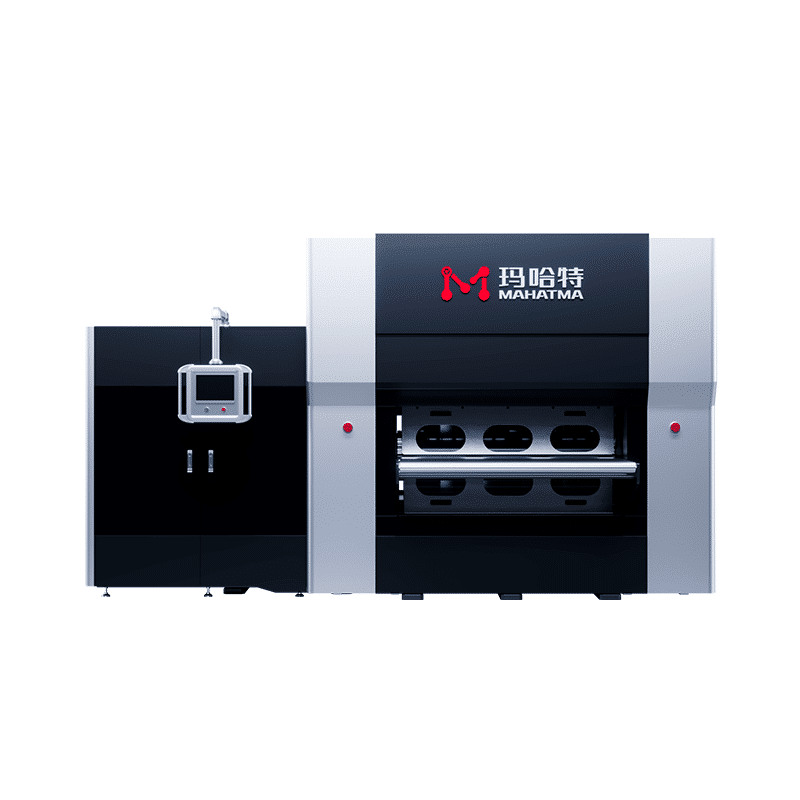
Industrial manufacturing requires precision, consistency, and reliable equipment to achieve high-quality results. A Hydraulic Leveling Machine plays an important role in improving the flatness and accuracy of metal sheets, plates, and components used across various industries. With advanced hydraulic technology, these machines help manufacturers reduce material defects, increase productivity, and maintain consistent production standards.
MAHATMA GROUP provides innovative industrial solutions designed to meet modern manufacturing requirements. The company focuses on delivering efficient machinery that supports industries with better performance, durability, and operational reliability.
What is a Hydraulic Leveling Machine?
A Hydraulic Leveling Machine is an industrial machine designed to remove bends, waves, and uneven surfaces from metal sheets or plates. It uses hydraulic pressure combined with precision rollers to apply controlled force and create a smoother, flatter surface.
Unlike traditional leveling methods, hydraulic systems provide better control over pressure adjustment. This makes the machine suitable for handling different material thicknesses and sizes while maintaining accuracy.
These machines are widely used in industries where surface quality and dimensional accuracy are essential, such as:
- Automotive manufacturing
- Metal fabrication
- Steel processing
- Construction equipment production
- Heavy engineering industries
The advanced working mechanism allows manufacturers to achieve better finishing quality while reducing manual effort.
How Does a Hydraulic Leveling Machine Work?
The working process of a Hydraulic Leveling Machine involves applying controlled hydraulic force through rollers that gradually correct material deformation. The machine passes the metal sheet through multiple leveling points where pressure is adjusted according to material requirements.
The basic working steps include:
- Material feeding into the machine
- Hydraulic rollers applying controlled pressure
- Removal of bends and surface irregularities
- Final inspection of leveled material
The hydraulic system ensures smooth operation and allows operators to adjust pressure according to different materials. This flexibility improves production efficiency and reduces the chances of material damage.
Key Benefits of Using a Hydraulic Leveling Machine
Modern industries depend on reliable machinery to improve output quality. A Hydraulic Leveling Machine offers several advantages that make it a valuable investment for manufacturing units.
Improved Material Accuracy
One of the biggest benefits is improved flatness and precision. The machine corrects uneven surfaces effectively, helping manufacturers produce components with better dimensional accuracy.
Higher Production Efficiency
Automated leveling reduces processing time compared to manual methods. Industries can handle larger production volumes while maintaining consistent quality.
Reduced Material Waste
Uneven metal sheets often lead to rejection and extra processing costs. Using a Hydraulic Leveling Machine helps minimize defects and improves material utilization.
Better Control and Flexibility
Hydraulic technology allows operators to control pressure settings according to material type and thickness. This makes the equipment suitable for different industrial applications.
Long-Term Performance
High-quality machines are designed for continuous industrial operations. With proper maintenance, they provide reliable performance for many years.
Applications of Hydraulic Leveling Machine in Different Industries
The demand for accurate metal processing solutions continues to grow across various sectors. A Hydraulic Leveling Machine supports multiple applications where precision and surface quality are required.
Automotive Industry
Automotive manufacturers use leveling machines to prepare metal sheets and components with accurate dimensions. Proper leveling improves the quality of final products and assembly processes.
Steel and Metal Processing
Steel industries use these machines for correcting plate deformation after cutting, welding, or transportation. This ensures better finishing and improved usability.
Fabrication Industry
Fabrication units depend on accurate metal sheets for producing structures, equipment parts, and customized components. A reliable leveling process helps achieve better results.
Heavy Engineering Sector
Large industrial equipment requires strong and precise metal parts. Hydraulic leveling technology helps maintain quality standards in heavy engineering applications.
Features to Consider Before Choosing a Hydraulic Leveling Machine
Selecting the right machine is important for achieving maximum productivity. Businesses should evaluate several factors before investing in industrial leveling equipment.
Important features include:
-
- Machine capacity and working width
-
- Hydraulic pressure control system
-
- Roller quality and durability
-
- Material compatibility
-
- Energy efficiency
-
- Ease of operation and maintenance
A suitable machine should match production requirements and provide stable performance under industrial conditions.
Why Quality Matters in Industrial Leveling Equipment
Manufacturing industries cannot compromise on accuracy. Poor leveling equipment may create inconsistent results, increase production costs, and reduce product quality.
A well-designed Hydraulic Leveling Machine provides better control, smoother operation, and improved reliability. It helps companies maintain production standards while reducing operational challenges.
MAHATMA GROUP understands the importance of dependable industrial machinery. The brand focuses on providing solutions that support manufacturers in achieving better efficiency and quality.
Maintenance Tips for Better Machine Performance
Regular maintenance improves the lifespan and performance of industrial equipment. Following proper care practices can prevent unexpected downtime.
Recommended maintenance steps include:
-
- Checking hydraulic systems regularly
-
- Inspecting rollers for wear
-
- Keeping machine components clean
-
- Monitoring lubrication requirements
-
- Scheduling professional servicing
Consistent maintenance ensures that the machine continues delivering accurate results and reliable operation.
Difference Between Traditional and Hydraulic Leveling Technology
Traditional leveling methods often require more manual control and may provide limited accuracy. Hydraulic systems offer improved pressure management and better adjustment capabilities.
A Hydraulic Leveling Machine provides advantages such as:
-
- Better precision
-
- Faster processing
-
- Reduced manual dependency
-
- Improved consistency
-
- Higher production capability
These features make hydraulic technology a preferred choice for modern industrial operations.
Future of Hydraulic Leveling Solutions
Industries are continuously moving toward automation and smarter manufacturing systems. Advanced leveling machines are becoming more efficient with improved controls, energy-saving features, and enhanced operating systems.
The growing need for accurate metal processing will continue increasing the importance of reliable leveling solutions. Companies investing in modern machinery can achieve better productivity and maintain competitive advantages.
Conclusion
A Hydraulic Leveling Machine is an essential solution for industries that require accurate, efficient, and consistent metal processing. Its advanced hydraulic system, precision control, and reliable performance make it suitable for various manufacturing applications. MAHATMA GROUP delivers industrial machinery solutions focused on quality, innovation, and customer requirements. Businesses looking to improve their production efficiency can explore advanced leveling solutions designed to support long-term industrial growth.