
Introduction to Leveling Machines
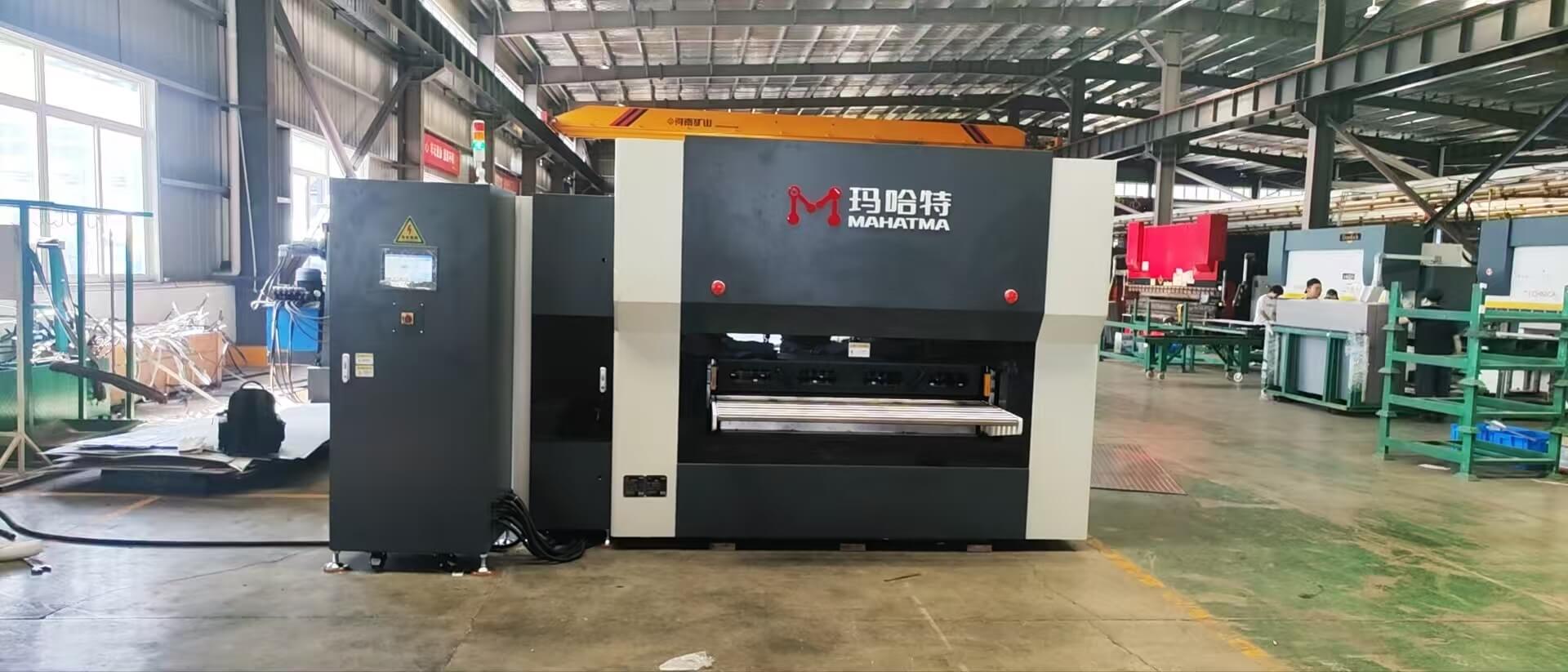
Leveling machines play a vital role in the metal processing industry by ensuring that materials are uniformly flattened and prepared for further operations. These machines are designed to correct the shape of metal sheets, plates, and other materials, allowing them to meet precise specifications required for various applications. The primary purpose of a leveling machine is to eliminate any deformities that may have occured during earlier stages of production, such as bending, rolling, or cutting. This process is essential for maintaining quality and performance standards in the manufacturing of metal components.
The functioning of leveling machines involves a series of rollers or flattening devices that apply controlled force to the metal. As the material passes through these rollers, it undergoes a process known as “leveling,” which helps to remove waves, curls, and other irregular deformations. Different configurations of leveling machines can accommodate a wide range of material thicknesses and types, allowing manufacturers to select the appropriate setup for their specific needs.
Understanding the capabilities of leveling machines with various metals is crucial for manufacturers seeking to enhance their production processes. Different metals have distinct properties, such as tensile strength, ductility, and elasticity, which can affect how they respond to leveling. For instance, softer metals like aluminum may require different leveling parameters compared to harder metals like stainless steel. This knowledge enables manufacturers to optimize their operations, improve product quality, and reduce waste. Overall, leveling machines are indispensable in highly competitive manufacturing environments where precision and efficiency are paramount, making their capabilities with different metals worthy of thorough examination.
Understanding Stainless Steel and Its Properties
Stainless steel is a versatile alloy known for its resistance to corrosion and staining, which is a result of its unique chemical composition. Typically, stainless steel is comprised of iron, chromium, and varying levels of nickel and other elements. The presence of at least 10.5% chromium is what primarily provides stainless steel with its corrosion resistance. This makes it an ideal choice for a wide range of applications across various industries, including construction, automotive, medical, and kitchenware manufacturing.
One of the key characteristics of stainless steel is its strength and durability. It exhibits excellent tensile strength, allowing it to withstand significant stresses without deformation. This property is crucial when leveling materials, as the leveling machines often exert considerable force to ensure a smooth and even surface finish. Furthermore, depending on the specific grade and composition, stainless steel can be tailored to meet various mechanical property requirements, making it adaptable for specific industrial needs.
Another notable characteristic is its aesthetic appeal. Stainless steel features a shiny, modern finish that is highly valued in design and consumer products. Additionally, it can be easily polished to achieve a mirror-like surface, adding to its desirability in commercial applications where appearance matters. Leveling stainless steel is essential for achieving these finishes, as it eliminates any imperfections and prepares the surface for further treatments or applications like painting or coating.
Common applications of stainless steel include kitchen countertops, medical instruments, and architectural elements. In these applications, the importance of proper leveling cannot be overstated; it not only enhances the visual quality of the final product but also ensures functional integrity. For instance, in the food industry, smooth surfaces are essential for hygiene and ease of cleaning, making leveling an integral part of the fabrication process.
Aluminum: The Lightweight Metal for Various Applications
Aluminum is well-known in various industries for its distinct properties, making it a preferred choice in numerous applications. One of the most significant characteristics of aluminum is its lightweight nature. This property plays a vital role in applications ranging from automotive to aerospace, where reducing weight directly contributes to enhanced efficiency and performance. As a leveling machine processes aluminum, its lightweight quality facilitates easier handling and manipulation, streamlining the leveling process.
Another noteworthy property of aluminum is its exceptional corrosion resistance. This characteristic arises from a natural oxide film that forms on its surface, protecting it from environmental degradation. This resistance to corrosion is particularly beneficial in applications that require the use of aluminum in harsh or humid environments. For leveling operations, the stability and durability provided by this corrosion resistance ensures that aluminum components maintain their integrity throughout the leveling process, leading to consistent and reliable outcomes.
Additionally, aluminum is renowned for its malleability, which refers to its capacity to be shaped and formed without breaking. This property allows aluminum to be easily machined and molded into various designs, making it highly versatile. During the leveling process, this malleability enables the metal to be effectively adjusted to achieve the desired flatness and precision without compromising its structural integrity. Such flexibility is indispensable in industries that require metal sheets or components to meet strict dimensional tolerances.
In conclusion, the interpretation of aluminum’s properties—its lightweight nature, corrosion resistance, and malleability—provides valuable insights into its behavior during the leveling process. These attributes not only enhance the efficiency of leveling machines but also ensure the quality of the final products across diverse applications. Therefore, understanding how these properties impact the leveling of aluminum is essential for optimizing manufacturing processes.
Galvanized Steel: Properties and Benefits
Galvanized steel is a type of steel that has been coated with a layer of zinc to prevent corrosion. This coating process, known as galvanization, introduces several properties that significantly enhance the material’s durability. The zinc layer serves as a protective barrier, preventing moisture and oxygen from reaching the underlying steel. As a result, galvanized steel exhibits superior resistance to rust and degradation, making it a popular choice in various industrial applications.
One of the primary benefits of galvanized steel is its longevity. The process of galvanization can extend the life of steel products significantly, often by several years compared to uncoated steel. This increased lifespan translates to cost savings over time, as less frequent replacements or repairs are required. Additionally, the surface finish of galvanized steel is generally smoother than that of uncoated alternatives, which can facilitate easier fabrication and handling in manufacturing environments.
Despite its many advantages, leveling galvanized steel presents unique challenges. The additional zinc coating alters the physical properties of the steel, which can affect how it responds to leveling processes. Compared to uncoated metals, galvanized steel can have different yield and tensile strengths, necessitating adjustments to leveling techniques. Operators may encounter issues such as the potential for flaking or chipping of the zinc layer during the leveling process. This is particularly critical in applications where the aesthetic quality of the surface is essential.
Moreover, the higher ductility of galvanized steel can lead to issues such as warping under certain conditions. Therefore, it is vital for professionals working with galvanized materials to understand the specific characteristics of the coating and its implications for leveling processes. By employing appropriate equipment and techniques, challenges associated with leveling galvanized steel can be effectively managed, ensuring the material’s integrity and performance are maintained.
Can Leveling Machines Process Stainless Steel?
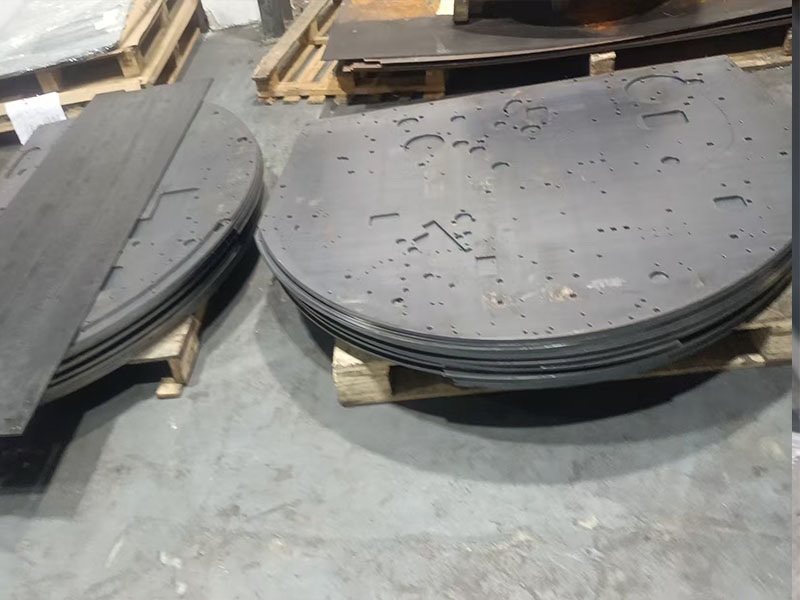
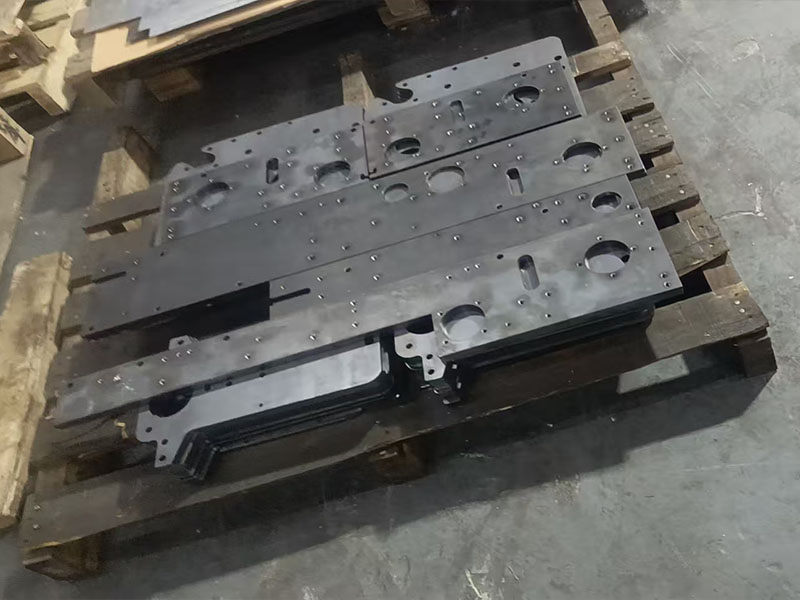
Leveling machines have become essential tools in the manufacturing industry, particularly when working with various metals, including stainless steel. The compatibility of leveling machines with stainless steel is a subject of significant interest, as stainless steel is widely used for its strength, durability, and corrosion resistance.
In general, stainless steel can be processed effectively by leveling machines. However, the specific type of leveling machine utilized can have a considerable impact on the quality of the finished product. For instance, roller leveling machines are often considered the most suitable for processing stainless steel due to their ability to handle thicker materials and ensure a consistent flatness across the entire surface. These machines work by passing the material through multiple rollers that progressively flatten it.
Aside from roller leveling machines, other types, such as plate levelers, can also work with stainless steel. These machines are designed to accommodate varying thicknesses and types of materials, making them versatile options for different applications. Nevertheless, it is essential to choose a machine that provides adequate force and control to handle the unique properties of stainless steel effectively.
When processing stainless steel, some specific considerations must be taken into account. For example, the material’s hardness can affect the leveling process, requiring adjustments in the machine settings or the selection of appropriate tooling to avoid defects such as warping or cracking. Additionally, maintaining proper lubrication during processing is crucial to reduce friction and wear, which can prolong the machine’s lifespan.
In conclusion, while leveling machines can effectively process stainless steel, selecting the right type of machine and considering the material’s characteristics are critical in achieving optimal results. Understanding these factors will help operators ensure efficient and high-quality machining of stainless steel components.
Processing Aluminum with Leveling Machines
Leveling machines are essential in processing metals, particularly when it comes to softer materials such as aluminum. This metal, known for its lightweight and malleability, requires specific settings and techniques to ensure efficient leveling while preventing any potential damage.
When utilizing leveling machines for aluminum, it is crucial to adjust the machine settings appropriately. The pressure applied during the leveling process should be set at a moderate level to avoid gouging or deforming the aluminum sheet. Operators should monitor the thickness and tensile strength of the aluminum to determine the optimal pressure. Typically, a pressure setting of 10-25 tons, depending on the thickness, is advisable for achieving the best results.
The speed of the leveling machine is another important factor. A slower operating speed enables the machine to exert steady pressure and permits the aluminum to adapt to the new shape without introducing stress points. Moreover, incorporating a lubrication system can enhance the effectiveness of the leveling process. Proper lubrication reduces friction and minimizes the risk of surface scratches on the aluminum sheets, maintaining the material’s integrity and appearance.
Moreover, it is beneficial to utilize a leveling machine that has adaptive technology. Machines with advanced features can automatically adjust settings based on the thickness or type of aluminum being processed. This adaptability ensures that the machine operates within the optimal parameters, maximizing efficiency and minimizing waste.
Furthermore, operators should regularly inspect the leveling rollers to confirm they are suitable for aluminum processing. Using rollers specifically designed for softer metals can significantly improve the effectiveness of leveling and ensure a consistent finish on the material. Regular maintenance and replacement of worn parts are essential to maintain the machine’s performance.
In summary, processing aluminum with leveling machines requires attention to various factors, including pressure settings, machine speed, and lubrication. By implementing these recommendations, manufacturers can achieve optimal results without compromising the quality of the aluminum sheets.
Challenges of Leveling Galvanized Steel
Leveling galvanized steel presents a distinct set of challenges that professionals must navigate to achieve optimal results. One of the primary issues is related to the coating of galvanized steel, which is applied to prevent corrosion. This protective layer, primarily composed of zinc, can significantly affect the leveling process. The coating can often lead to difficulties in achieving the desired flatness due to the potential for local distortions. When subjected to the forces involved in leveling, the coating may cause variations in thickness, impacting the overall quality of the finished product.
Another challenge encountered with galvanized steel is the tendency for the material to warp during the leveling operation. The heating and cooling processes associated with leveling can cause the zinc coating to expand and contract at different rates compared to the underlying steel. This differential movement can lead to warping, resulting in sections that are no longer plumb or flat, and may necessitate additional adjustments and processing steps to rectify.
Moreover, the brittleness of the zinc coating at certain temperatures can make the leveling process even more problematic. Should the galvanizing be too thick or improperly applied, it may crack or flake during the leveling procedure, which can compromise the integrity of the steel and ultimately affect the structural performance of the final products. Effectively addressing these issues requires specialized strategies.
To overcome the challenges associated with leveling galvanized steel, implementing precise control over the leveling speed and forces applied can help mitigate distortion. Furthermore, maintaining optimal temperature conditions during the leveling process can assist in minimizing the warping of materials. Employing tailored solutions and using compatible leveling machines designed for processing galvanized steel can enhance the efficiency of the operation and ensure the integrity of the material remains intact throughout the process.
Comparative Analysis: Stainless Steel vs. Aluminum vs. Galvanized Steel
Leveling machines play a crucial role in the processing of various metals, each presenting unique challenges and advantages during the leveling process. In this comparative analysis, we will examine how leveling machines handle three commonly used materials: stainless steel, aluminum, and galvanized steel.
Stainless steel is renowned for its strength and corrosion resistance, making it a preferred choice in industries such as construction and food processing. However, its high hardness can pose a challenge for leveling machines. They must be equipped with specialized rollers and settings to ensure that the metal is evenly smoothed without causing damage to its structural integrity. The thickness and gauge of stainless steel can also influence the performance of leveling machines, requiring adjustments in pressure and speed for optimal results.
On the other hand, aluminum is known for its lightweight and malleability. Leveling machines handle aluminum more efficiently due to its lower hardness compared to stainless steel. This material’s flexibility allows it to be leveled quickly, often with standard settings. However, the softness of aluminum can lead to issues with surface dents if not managed carefully. Additionally, the leveling process for aluminum might require different techniques and equipment to avoid excessive bending or deformation during treatment.
Galvanized steel, coated with a protective layer of zinc, presents distinct considerations for leveling machines. While it shares some traits with stainless steel in terms of strength and corrosion resistance, the presence of the zinc coating adds unique characteristics to the leveling process. Leveling machines must account for the risk of zinc flaking during the operation, which can potentially damage both the material and the machinery. As such, specialized rollers and carefully calibrated pressure are necessary to maintain smooth surface finish while avoiding detrimental effects.
In summary, each metal’s unique properties influence how leveling machines operate, highlighting the importance of selecting the right equipment and techniques tailored to the specific material in use. Understanding these performance differences, advantages, and disadvantages is essential for achieving optimal results in metal processing.
Conclusion and Best Practices for Leveling Various Metals
In summary, the exploration of leveling machines has illustrated their crucial role in the processing of various metals, including stainless steel, aluminum, and galvanized steel. Each metal type presents unique challenges and requires tailored approaches to achieve optimal leveling results. From the findings discussed in previous sections, it is evident that understanding the properties of these metals is paramount for manufacturers seeking to utilize leveling machines effectively.
For stainless steel, the use of appropriate tooling and adjustments in the leveling machines is vital. Since stainless steel tends to have greater rigidity, manufacturers should consider lower speed settings to avoid excessive force that could cause damage to the material or the machine itself. Additionally, the incorporation of lubricants during the leveling process can mitigate friction and enhance the overall quality of the finished product.
Aluminum, being a softer metal, presents a different set of conditions for leveling. It is recommended to use leveling machines equipped with specialized rollers to accommodate its malleability without causing unwanted deformation. Manufacturers should also ensure that the temperature of aluminum is controlled prior to the leveling process, as cold working can significantly influence its mechanical properties.
In the case of galvanized steel, attention to the coating is essential. Leveling machines should operate in a manner that preserves the integrity of the zinc coating to prevent corrosion and maintain the protective qualities of the steel. Operators should inspect and clean the rollers periodically to avoid any contamination that could lead to coating damage.
Adhering to these best practices will yield superior results in employing leveling machines across different metals. Manufacturers that invest in proper training and maintenance of their machinery and equipment will undoubtedly experience enhanced productivity and product quality, leading to better overall performance in the competitive metal processing industry.
