
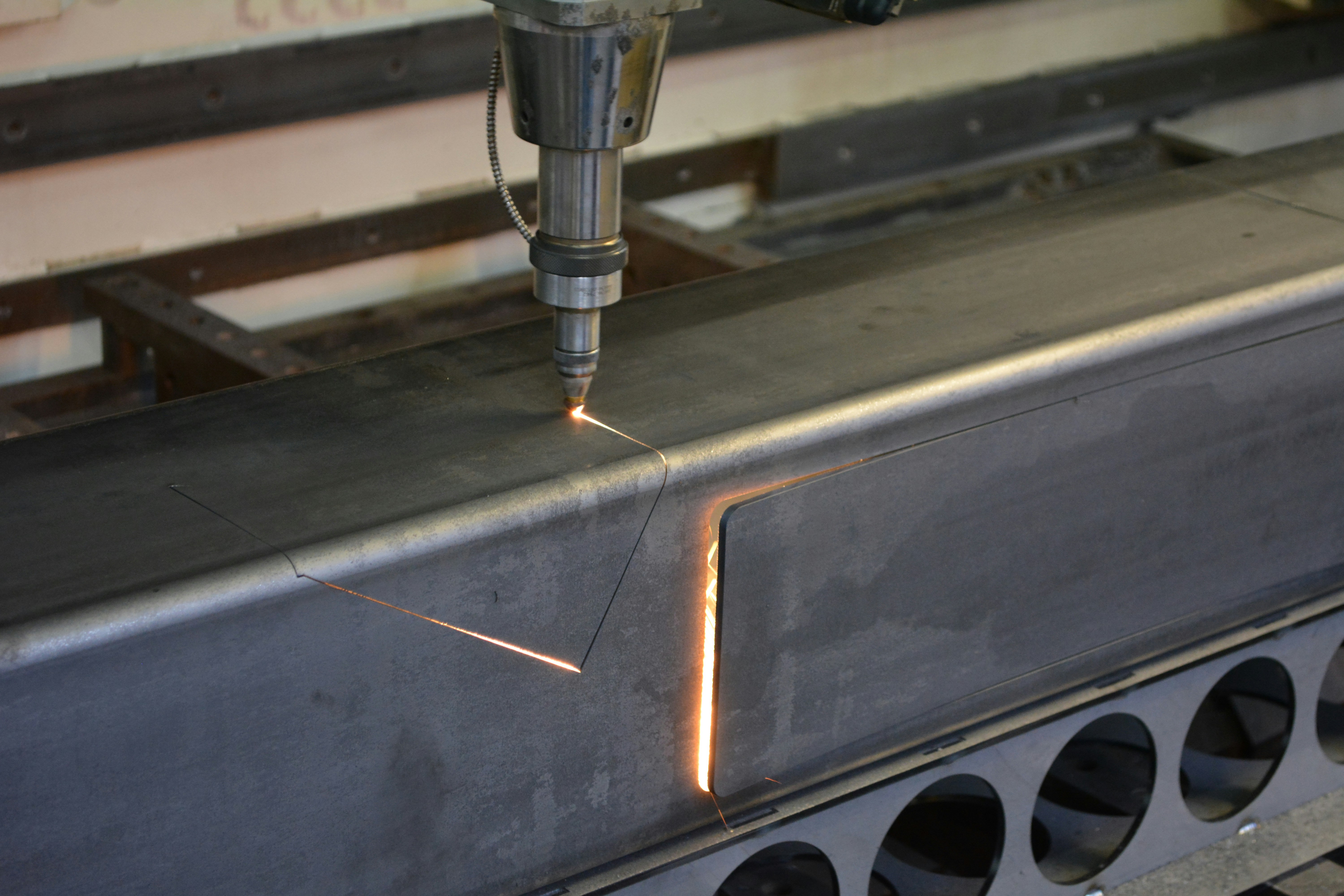
Introduction to Leveling and Straightening Machines
Leveling and straightening machines represent a crucial component in the manufacturing process, ensuring that materials meet stringent quality and precision standards. These machines are primarily used to enhance the flatness and straighten warped or bent materials, a critical process in industries ranging from metalworking to woodworking.
The operation of leveling and straightening machines is grounded in several fundamental principles. When materials such as sheet metal or rods are delivered, they may often possess imperfections, including bends, twists, or uneven surfaces. These defects can compromise the integrity and quality of finished products, making it imperative to employ specialized machinery to correct them. The machines typically utilize mechanical or hydraulic force to apply deliberate pressure to specific areas of the material, thereby rectifying inconsistencies and achieving a desired flatness.
In manufacturing, the importance of these machines cannot be overstated. They play a vital role in ensuring dimensional accuracy, which is essential for the interoperability of parts within assemblies. Consistency in material flatness directly influences various downstream processes, including machining, cutting, and joining, all of which require precision for effective operation. The outcome is not just aesthetically pleasing components but also guarantees the longevity and performance of the end products.
Furthermore, the use of leveling and straightening machines contributes to overall production efficiency. By reducing the amount of rework needed on flawed materials, manufacturers can save significant time and resources. This efficiency ultimately leads to cost savings and improved competitiveness in the market. In summary, leveling and straightening machines are indispensable tools that ensure materials are both flat and accurately dimensioned, laying the groundwork for high-quality manufacturing outcomes.
Types of Leveling Machines
Leveling machines are an integral part of various manufacturing processes, providing precise alignment and flatness to metal sheets, plates, and structural components. There are several types of leveling machines, each tailored to meet specific operational needs and material characteristics. Understanding these types helps in selecting the most suitable machine for different manufacturing applications.
Mechanical Levelers are among the most common types used in the industry. They utilize a series of mechanically driven rollers to induce stresses in the material, effectively flattening it through a combination of bending and elastically absorbed energy. The design of mechanical levelers is straightforward, often comprising interleaved rollers that adjust to the thickness of the material being processed. These machines are particularly effective for working with thinner materials and high-throughput applications.
Hydraulic Levelers employ hydraulic pressure to exert force on the material, allowing for more controlled and adaptable leveling operations. The hydraulic systems can be finely adjusted to accommodate varying material sizes and thicknesses. This type of leveler is ideal for thicker materials where higher levels of force are required to achieve the desired flatness. They are known for their efficiency and capability to handle demanding leveling tasks.
Electromagnetic Levelers provide a different approach by utilizing electromagnetic forces to flatten material. These machines are particularly advantageous when processing delicate or thin materials that might be damaged by mechanical or hydraulic force. The electromagnetic field adjusts the material’s surface, encouraging it to achieve a flat state with minimal physical contact. This technology is increasingly used in specialized applications where precision is paramount.
Each of these types of leveling machines plays a critical role in manufacturing, with specific advantages based on the requirements of the material and the desired finish. Understanding the differences in their design and functionality allows manufacturers to make informed decisions regarding which leveling technology best fits their operational needs.
Types of Straightening Machines
Straightening machines play a pivotal role in various manufacturing processes, primarily aimed at rectifying bent or twisted materials. The most common types of straightening machines include roll straighteners, vertical straighteners, and jig straighteners, each tailored for specific applications and functions.
Roll Straighteners are widely used in industries that work with flat stock metals. These machines employ a series of rollers arranged strategically to apply consistent pressure, effectively straightening the material as it passes through. Roll straighteners can accommodate various material types and thicknesses, making them versatile tools in fabrication settings. Their efficiency in processing larger volumes of metal makes them ideal for continuous production lines.
Vertical Straighteners are particularly effective for straightening long, heavy sections of metal, such as beams or tubes. These machines operate using a vertical alignment and leverage gravity to aid in the straightening process. Vertical straighteners typically employ a combination of fixed and movable rollers which apply force strategically along the material length. This design allows for the handling of heavier sections that are difficult to manipulate with other types of machines, ensuring precision and enhanced material quality.
Jig Straighteners, on the other hand, are custom-built machines tailored for specific applications. They often incorporate specialized jigging mechanisms that hold the material in place while allowing for adjustments in pressure and angle during the straightening process. These machines are particularly useful for unique components or materials that require a more manual and bespoke approach to ensure quality and accuracy.
In summary, understanding the different types of straightening machines and their specific applications is crucial for optimizing manufacturing processes. Each machine type offers distinct advantages depending on the materials involved and the production requirements, making informed selection vital for achieving desired results in manufacturing operations.
How Leveling Machines Work
Leveling machines play a crucial role in manufacturing, particularly in the metalworking and fabrication industries. These machines are designed to correct the deformation of materials, specifically metal sheets or plates, by utilizing various processes that involve feeding, leveling, and discharging. Understanding how these machines operate requires a closer look at each step of the process.
The first step in the operation of a leveling machine is the feeding mechanism. This process involves the precise alignment and introduction of material into the machine. Depending on the design and size of the machine, materials may be fed manually or via automated systems. The goal is to ensure that the material enters the leveling machine correctly and consistently, setting the stage for effective leveling.
Once the material is fed into the leveling machine, it undergoes the leveling process. This is where the machine applies force through rollers or specific leveling tools that work to flatten the material. During this stage, the machine often utilizes a combination of mechanical, hydraulic, or pneumatic systems to exert the necessary pressure. The leveling mechanism not only removes existing defects but also reduces internal stresses within the material, enhancing its structural integrity.
After the leveling process is complete, the material is discharged from the machine. Efficient discharge mechanisms are critical to ensure that the leveled materials can be seamlessly transferred to subsequent processing steps or delivered to the end user. Typically, discharge may involve conveyor systems, whereby leveled sheets are moved to storage or further processing without causing damage to their surface or structural properties.
In addition to these basic functionalities, modern leveling machines often incorporate advanced technologies, such as computerized controls and sensors, to enhance precision and user-friendliness. These innovations allow for greater adaptability to different material types and thicknesses, ensuring a more versatile application in various manufacturing environments.
How Straightening Machines Work
Straightening machines play a crucial role in manufacturing by correcting bends and distortions in various materials. The operating principles of these machines are based on the understanding of deformation processes. Primarily, straightening machines utilize mechanical force to rectify bends in materials, which can range from metal sheets to rods. The effectiveness of these machines hinges on their ability to accurately apply specific forces at correct angles, enabling efficient correction.
When a material is subjected to forces beyond its yield strength, it undergoes plastic deformation, leading to undesirable bends or distortions. Straightening machines aim to reverse such deformations by strategically applying controlled compressive or tensile forces to the material. These forces can be applied through various methods, including rollers, presses, or specialized mechanical systems. Each of these methods is designed to deliver a focused force that allows for the gradual correction of the material’s shape.
The process begins with the identification of the area needing correction. Once this is determined, the machine is calibrated to apply the necessary pressure. For instance, in roller straightening machines, rollers are positioned to exert pressure at specific intervals along the length of the material. This creates zones of compression and tension that gradually encourage the material to revert to its intended shape. Similarly, hydraulic or mechanical presses can deliver a concentrated force at specific points to achieve the desired straightening effect.
It is essential for operators to understand the material’s properties, such as its yield strength, elasticity, and ductility, to optimize the straightening process. Incorrect application of forces can lead to damage or further distortion, emphasizing the need for precise control and careful operation within straightening machines.
In conclusion, straightening machines are vital in manufacturing settings to restore the integrity of materials. Their operation hinges on the principles of deformation and the careful application of mechanical forces, which together facilitate the effective correction of material distortions.
Applications of Leveling and Straightening Machines
Leveling and straightening machines play a critical role in numerous industries, ensuring that materials meet the precise specifications required for various applications. These machines are essential in sectors such as automotive, construction, and metal fabrication, where the integrity and alignment of components are paramount.
In the automotive industry, leveling and straightening machines are predominantly used for processing sheets of metal that are formed into body panels and structural components. The precision achieved through these machines is vital for the assembly of vehicles, as misaligned parts can lead to structural weaknesses and safety issues. Typically, materials like steel and aluminum are processed, as they are common choices in automobile manufacturing. The machinery ensures that these sheets are flat and uniform, facilitating easier handling and subsequent manufacturing processes.
Within the construction industry, leveling and straightening machines contribute to the fabrication of steel beams, columns, and other structural elements. Here, the focus is on producing components that meet strict criteria for load-bearing capabilities. Steel plates and sections are often subjected to leveling processes to correct any distortions that may occur during the initial fabrication. This not only enhances the structural integrity of the final product but also ensures compliance with industry standards.
Furthermore, in the realm of metal fabrication, businesses utilize leveling and straightening machines to prepare materials for various manufacturing stages. For instance, metal sheets used in HVAC systems, furniture production, and other applications benefit from leveling processes that enhance their usability. The ability to deliver flat and straight materials improves overall product quality and streamlines the production cycle, reducing waste and increasing efficiency.
In summary, leveling and straightening machines are indispensable across multiple sectors, processing materials such as steel and aluminum with precision to achieve the consistency needed for further manufacturing operations. As industries continue to evolve, the application of these machines will remain integral to maintaining quality and meeting strict production demands.
Advantages of Using Leveling and Straightening Machines
Leveling and straightening machines offer numerous benefits to manufacturing operations, significantly improving the quality and efficiency of production processes. One of the primary advantages is the enhancement of product quality. By ensuring that materials are flat and straight, these machines help achieve uniformity and precision in the finished products. This precision is crucial in industries where tolerances are minimal and the quality of components directly affects overall performance.
Moreover, the implementation of leveling and straightening machines contributes to a reduction in waste. In traditional manufacturing processes, materials often suffer from defects like bends or twists, which can lead to an increased rate of scrap materials. By employing these specialized machines, manufacturers can effectively minimize such defects, thereby maximizing the yield from raw materials. Consequently, this not only reduces costs but also promotes better environmental sustainability practices by decreasing material waste.
Another significant advantage is the increased efficiency in operations. Leveling and straightening machines streamline the manufacturing process, allowing for faster turnaround times. They enable manufacturers to process materials quickly and consistently, leading to improved workflow and productivity. With reliable machinery in place, workers can focus on more complex tasks rather than spending excessive time on manual quality checks or corrections. This efficiency boost ultimately leads to lower operational costs and higher profit margins.
In conclusion, the deployment of leveling and straightening machines in manufacturing brings substantial advantages. From enhanced product quality and reduced waste to increased operational efficiency, these machines play a pivotal role in modern production environments, allowing manufacturers to meet the demands of competitive markets effectively.
Challenges and Considerations in Machine Operation
Operating leveling and straightening machines in manufacturing comes with a variety of challenges that can impact efficiency and product quality. One significant consideration is the material properties of the components being processed. Different metals and materials exhibit distinct behaviors when subjected to leveling or straightening techniques. For instance, materials with varying tensile strengths might require adjustments in machine settings to achieve optimal results. A thorough understanding of the mechanical properties of materials is essential for operators to foresee potential issues.
Another challenge is ensuring regular machine maintenance. Leveling and straightening machines, like any other piece of manufacturing equipment, require adequate upkeep to function at their best. Neglecting maintenance can lead to mechanical failures, reduced accuracy, and an increase in operational downtime. Implementing a structured maintenance schedule and using quality lubricants and parts can greatly enhance machine longevity and reliability.
Besides material properties and maintenance, setup time is a critical aspect to consider when operating these machines. Setting up the machine to accommodate different jobs can be time-consuming, potentially leading to inefficiencies in production. Utilizing standardized setups or modular fixtures can help reduce setup time and allow for quicker transitions between different manufacturing tasks.
To tackle these challenges effectively, manufacturers are encouraged to adopt best practices, such as training operators comprehensively on both the equipment and the materials being used. Additionally, utilizing advanced technologies like sensors and computer systems can help monitor machine performance in real-time, further mitigating potential issues. In summary, by addressing the challenges of material properties, maintenance, and setup time, manufacturers can enhance the operational efficiency of leveling and straightening machines, ensuring high-quality outcomes in their production processes.
Future Trends in Leveling and Straightening Technologies
The field of leveling and straightening technologies is undergoing significant advancements, driven by the need for increased efficiency and precision in manufacturing processes. One of the most notable trends is the integration of automation into these machines. Automated systems enhance operational speeds and consistency while reducing the likelihood of human error. As manufacturers strive for greater productivity, the adoption of robotics and automated controls is expected to rise, allowing for seamless operation and greater throughput.
Furthermore, the incorporation of smart technologies is reshaping the landscape of leveling and straightening machines. These advanced technologies enable real-time monitoring and data analysis, facilitating proactive maintenance and minimizing downtime. Machines equipped with sensors can detect discrepancies in material condition, allowing for immediate adjustments to the leveling process, thus ensuring optimal performance. The rise of the Internet of Things (IoT) is also playing a pivotal role, creating interconnected systems that optimize machine performance and sustainability.
Improvements in material handling are another critical trend impacting leveling and straightening technologies. Enhanced conveyor systems and robotic arms allow for precise positioning of materials, which complements the leveling and straightening efforts. Innovations in materials themselves have also progressed, with the development of higher strength alloys that can withstand greater stress, ensuring better performance during manufacturing processes. Moreover, enhanced software solutions for simulation and modeling are becoming commonplace. These tools help manufacturers visualize the leveling process before actual execution, leading to better planning and resource allocation.
The convergence of these emerging trends signifies a shift towards more intelligent, efficient, and adaptable leveling and straightening technologies. As companies continue to embrace these innovations, the future of manufacturing will likely be characterized by machines that are not only more efficient but also more responsive to the complex demands of modern production environments.
