Introduction to Leveling Machines
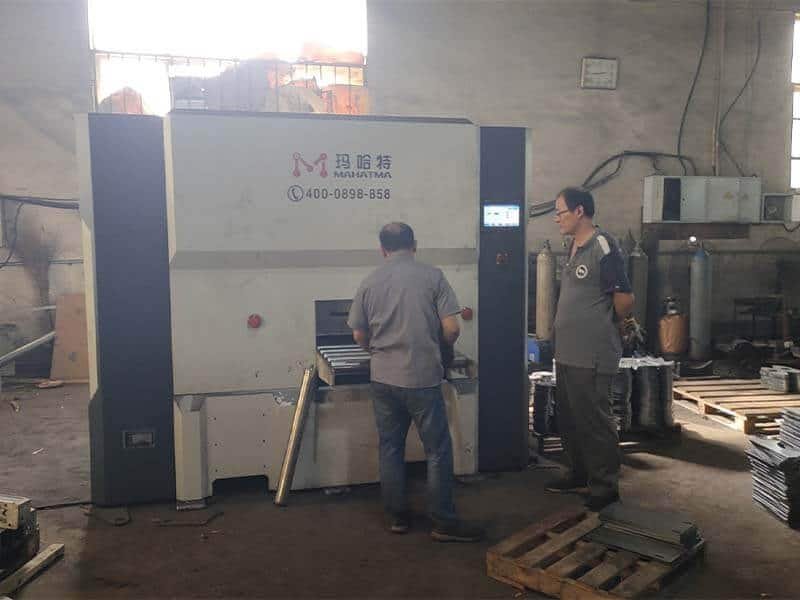
Leveling machines are essential equipment in various manufacturing sectors, designed to improve the flatness and surface quality of materials. These machines operate by applying mechanical force to deformed or uneven substrates, gradually reshaping them to achieve a uniform thickness and remove any residual stress. The process of leveling is critical, as it directly influences the material properties and the quality of the final product.
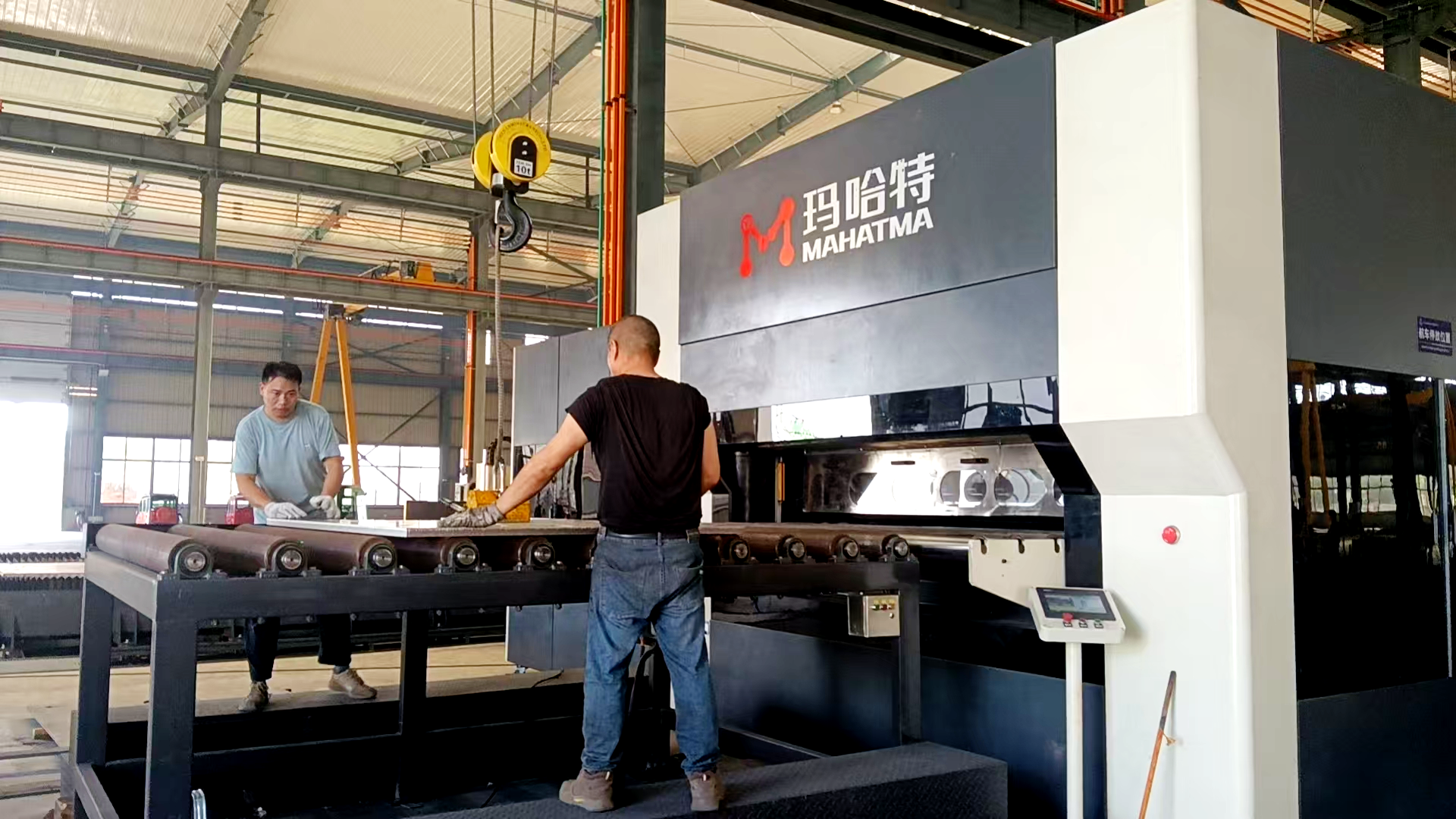
The operation of a leveling machine typically involves feeding a material through a series of rollers that apply controlled pressure. As the material passes through, it is stretched and compressed, allowing any deformations to be corrected. This process not only enhances the flatness of metal sheets and plates but is also utilized for a variety of materials, including plastics and composites. Different types of leveling machines can be employed depending on the specific needs, such as automated systems for high-volume production or manual setups for smaller runs.
The significance of material flatness cannot be overstated in manufacturing processes. Poorly leveled materials can lead to complications during further processing, such as difficulties in welding, coating, and assembly. Flat materials are crucial for ensuring the precision of components in various applications, ranging from automotive to aerospace industries. Quality assurance begins with the leveling stage, where achieving the desired surface criteria is a prerequisite for successful downstream operations. Understanding how leveling machines work and the importance of their function is necessary for professionals aiming to enhance production efficiency and product quality.
The Concept of Internal Stress in Materials
Internal stress refers to the stress that develops within a material, even in the absence of external forces or loads. It is a critical factor affecting the performance and durability of materials across various applications. This stress can arise from several factors, including differences in temperature during processing, phase changes, or uneven distribution of material properties.
When a material is subjected to temperature variations, thermal expansion or contraction can occur. For instance, metals can expand when heated and contract upon cooling. If a metal component is cooled unevenly, internal stresses may form, resulting in potential material failure. Such stress can lead to warping or cracking, compromising the integrity of the product.
Another scenario involves phase changes, which can introduce internal stresses. Materials like steel can undergo phase transformations when heated to specific temperatures. If these transformations occur unevenly, resulting internal stresses can compromise the material’s mechanical properties. For example, if a steel component hardens too rapidly, it may develop associated stresses that can lead to fractures.
Internal stress significantly impacts the quality of manufactured products. In the polymer industry, improper cooling or processing can lead to residual stresses in the final product. When these materials are used in applications subject to varying loads, they may fail prematurely due to the influence of internal stress. An example includes plastic components used in automotive parts that warp or break during usage due to per-existing stresses.
Overall, understanding the concept of internal stress in materials is crucial for engineers and manufacturers alike. By acknowledging how and where internal stresses form, steps can be taken to mitigate their negative effects, enhance material performance, and ensure high product quality.
Mechanics of Leveling: How It Works
The leveling process is a critical operation in manufacturing and material processing, primarily aimed at achieving desired flatness in various materials, such as metals and plastics. Leveling machines utilize a series of powerful rollers to apply consistent mechanical force across the material. The mechanics behind this process involve a series of adjustments and carefully calculated forces that ensure the material is manipulated into a flat form.
At the core of a leveling machine are its rollers, which are strategically positioned to exert pressure on the material. As the unlevelled material passes through these rollers, the machine applies a bending force, which alters the internal stress distribution within the material. This bending stress is pivotal, as it allows the internal fibers of the material to realign, thereby reducing the original warping or deformation.
During the leveling operation, adjustments can be made to the roller spacing, pressure, and speed of material feed. These adjustments are crucial because different materials require varying levels of force application to achieve optimal flattening. Furthermore, the adjustment of roller curvature and the sequence in which materials are processed will also have a significant impact on the effectiveness of the leveling process. For instance, incorporating a sequence of different roller diameters may enhance the material’s response to leveling by applying varying degrees of pressure in a controlled manner.
The leveling operation not only aims to achieve flatness but also to maintain the integrity of the material. Excessive force can lead to unintended consequences such as cracking or permanent deformation. Therefore, understanding the mechanics of leveling, including force applications and adjustments, is essential for achieving an optimal balance between material flatness and its structural integrity.
Effects of Leveling on Material Characteristics
The process of leveling is pivotal in manufacturing and metalworking, as it directly influences the physical properties of materials. Leveling machines apply external forces to flatten and align materials, which can significantly affect their characteristics including strength, ductility, and surface finish.
Firstly, strength is a key factor that can be altered through leveling. When metal sheets are subjected to leveling, the internal structure of the material is modified. This process can either enhance or diminish strength, depending on the initial state of the material and the levels of stress applied during leveling. For example, inadequate leveling can leave residual stresses that weaken the material, whereas precise leveling can relieve these stresses, leading to improved overall strength.
Ductility, the ability of a material to deform under stress, is also impacted by leveling. As materials are leveled, their grain structure may be changed, which can, in turn, affect how they respond to tensile forces. Enhanced ductility is often desirable, especially in applications where materials must withstand significant deformation without fracturing. Leveling can help achieve a more uniform grain structure, which supports better ductility by allowing for more equitable distribution of internal stresses.
Another significant characteristic affected by leveling is surface finish. The leveling process can remove imperfections and create a smoother surface that is less prone to corrosion and wear. A good surface finish is essential for many applications, particularly in industries where aesthetic appearance is critical, or where material integrity is closely tied to performance. By optimizing the surface characteristics through leveling, manufacturers can improve both the functionality and lifespan of the material.
In review, the effects of leveling on material characteristics, such as strength, ductility, and surface finish, play a crucial role in addressing internal stresses. This highlights the importance of understanding and implementing proper leveling techniques in manufacturing processes.
Can Leveling Machines Remove Internal Stress?
The effectiveness of leveling machines in addressing internal material stress has garnered significant attention in the manufacturing sector. Internal stresses can emerge during various processes, including welding, casting, and cooling, often leading to warping or dimensional issues in the finished product. Leveling machines are designed to correct these deformities and restore materials to their intended geometric shapes, but their ability to alleviate internal stress is a topic of ongoing research and debate.
Recent studies have indicated that leveling machines can indeed play a crucial role in reducing internal stress. For instance, a study published in the “Journal of Materials Processing Technology” highlighted that specific leveling techniques, when applied to metal sheets, significantly reduced stress concentrations. This effect was attributed to the redistribution of material properties that leveling induces, allowing for a more uniform internal structure.
Moreover, expert opinions emphasize the importance of the machine settings and the type of materials being processed. For example, experienced engineers recommend adjusting the leveling pressure and selecting the appropriate leveling configuration based on the material’s characteristics. By doing so, manufacturers can optimize the effectiveness of the leveling machines in mitigating internal stress.
Practical case studies also support the arguments regarding the efficacy of leveling machines. In a case involving a major aerospace manufacturer, the application of advanced leveling technology resulted in a notable decrease in internal stress in titanium components. This outcome not only improved product quality but also reduced the occurrence of failures during the service life-cycle.
Overall, while leveling machines may not entirely eliminate internal stress, they are undeniably effective in minimizing its impact. Enhanced understanding and application of leveling techniques can facilitate better material integrity and performance, particularly in demanding industries where precision is paramount.
Limitations of Leveling Machines in Stress Reduction
Leveling machines are widely regarded for their ability to enhance material flatness and, consequently, reduce internal material stress. However, it is crucial to understand that these machines have their limitations and are not universally applicable. One significant limitation arises from the type of materials being processed. Certain materials possess inherent characteristics that may not respond effectively to the leveling process. For instance, very hard or brittle materials may not yield appropriately under mechanical pressure, resulting in inadequate stress relief.
Additionally, the effectiveness of leveling machines can be influenced by the initial condition of the material. If a material is significantly warped or has experienced substantial internal stresses due to previous processing, simply passing it through a leveling machine may not adequately address these issues. In situations where severe deformation is present, the remaining stress can persist even after leveling, affecting the material’s performance and integrity.
Moreover, the nature of the leveling process itself poses limitations. The mechanical action involved may be unable to address stresses that are locked at a deeper internal level. These residual stresses are often a result of complex manufacturing processes and may require more comprehensive solutions, such as heat treatments or other stress-relief methods, to ensure complete mitigation. Consequently, while leveling machines play a valuable role in reducing surface stresses, they should not be seen as a one-stop solution for all material stress issues.
Best Practices for Using Leveling Machines
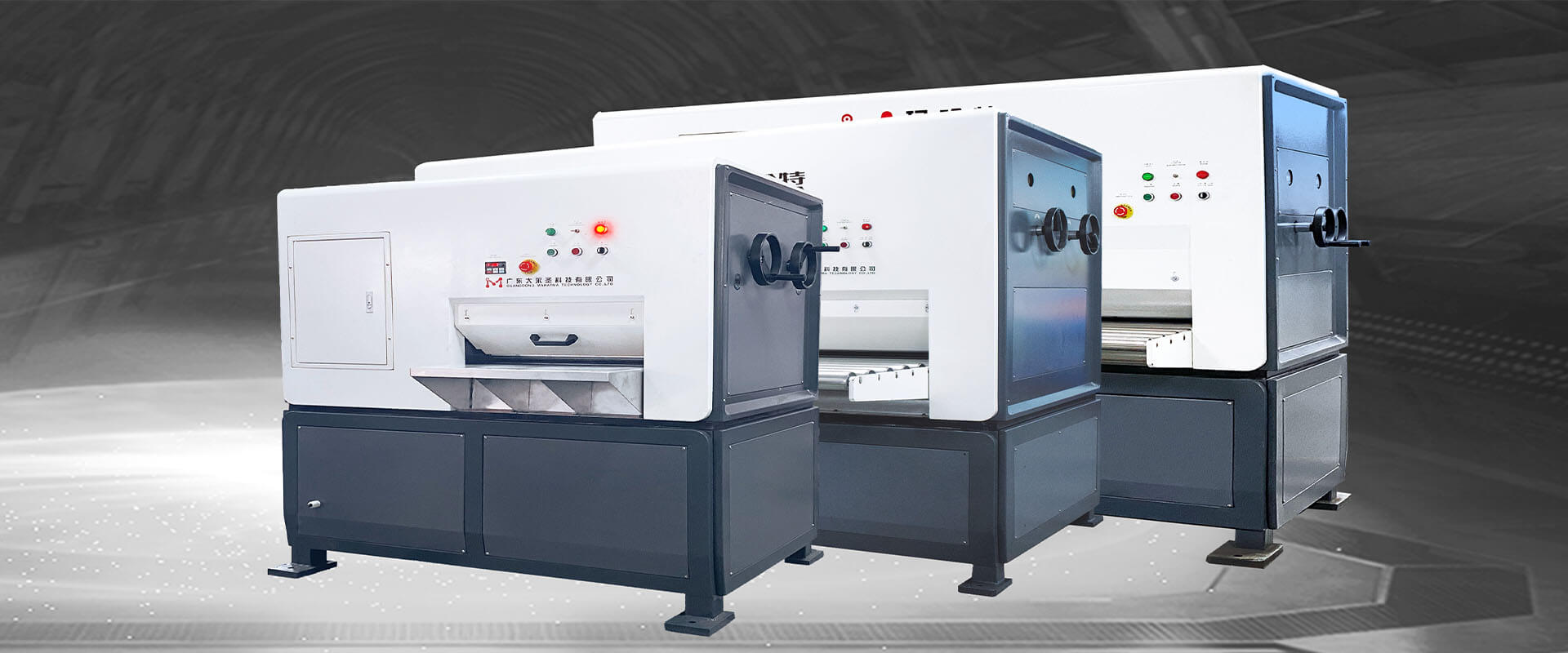
To effectively utilize leveling machines and minimize internal material stress, it is crucial to implement best practices during setup, operation, and maintenance. Proper machine preparation is the first step towards achieving optimal performance. Ensure that the leveling machine is accurately aligned and calibrated according to the manufacturer’s specifications. This initial setup can significantly reduce the risk of undesired stresses during the leveling process.
Another essential aspect of operation involves selecting appropriate feed rates and pressure settings. Optimal feed rates should be determined based on the material type and thickness, as an excessively high feed rate may lead to uneven leveling and increased internal stress. Regularly monitor the pressure settings to ensure they remain consistent and within recommended limits. Uneven pressure can contribute to material deformation and, ultimately, compromise the integrity of the final product.
In addition to careful operation, regular maintenance of leveling machines is vital for sustaining their performance. This includes routine inspections for wear and tear on critical components such as rollers and blades. Regularly replacing worn parts can mitigate issues that may otherwise result in increased material stress. Furthermore, lubricating moving parts can enhance the machine’s efficiency and longevity, enabling it to function optimally.
Operator training plays a significant role in the successful use of leveling machines. Proper training equips operators with the knowledge to identify potential problems and implement preventive measures effectively. Understand the characteristics of the materials being processed, as different materials may require specific handling techniques to minimize internal stresses during leveling.
By adhering to these best practices for using leveling machines, operators can improve performance, reduce internal stress in materials, and ultimately enhance the quality of the finalized products. Emphasizing the importance of setup, operational techniques, and consistent maintenance leads to superior outcomes in material leveling processes.
Case Studies: Successful Stress Reduction Through Leveling
Leveling machines have been crucial in various industries for mitigating internal material stress, thus enhancing product quality and durability. Numerous real-world examples demonstrate how effective these machines can be in reducing internal stress, leading to significant improvements in material performance.
One prominent case is found in the automotive industry, where manufacturers have utilized leveling machines to process stamped metal sheets. In this scenario, the sheets undergo a thorough leveling process that involves passing through rollers which exert precise pressure. As a result, the internal stresses that commonly occur during the stamping process are effectively eliminated. This intervention not only enhances the flatness of the sheets but also contributes to improved dimensional stability and performance in the final vehicle components.
Another notable example is seen in the production of high-strength steel used in construction. A well-known steel manufacturer implemented a series of leveling machines as part of their production line. The machines employed advanced technology to precisely adjust the curvature and flatness of steel plates, which routinely faced internal stresses due to thermal expansion and cooling cycles. Following the leveling treatment, it was observed that the structural integrity of the materials increased significantly, leading to a reduction in failure rates during construction applications.
In the electronics sector, manufacturers utilize leveling machines to treat metallic substrates for circuit boards. The leveling process reduces warping caused by thermal stresses during soldering. By effectively managing internal stresses, manufacturers reported lower defect rates and enhanced reliability of electronic devices. This application highlights the versatility of leveling machines in improving the performance of materials across different industries.
These case studies illustrate the powerful impact that leveling machines can have on stress reduction in materials. By investing in leveling technology, companies can achieve not only enhanced material integrity but also increased operational efficiency and product reliability.
Conclusion and Future Trends in Material Leveling
In conclusion, the exploration of how leveling machines influence internal material stress has highlighted several significant factors. As we examined throughout this blog post, the effectiveness of leveling machines is contingent upon various elements including, but not limited to, the type of materials processed, the precision of the leveling techniques applied, and the inherent characteristics of the materials themselves. These factors collectively determine the machine’s capability to manage and alleviate internal stresses, ultimately impacting the quality and usability of the finished product.
Looking forward, future trends in leveling technology and materials science are poised to further enhance the performance of leveling machines in managing internal stress. One promising development is the integration of advanced sensors and monitoring systems that can provide real-time data on material conditions during the leveling process. This technology could enable operators to make immediate adjustments based on the detected stresses and strains, thus minimizing material deformation and enhancing overall efficiency.
Additionally, innovations in material science may lead to the creation of new alloys or composite materials that have superior properties for leveling. These materials could be designed to withstand greater stresses without compromising structural integrity, facilitating more effective leveling procedures. Moreover, as industries continue to evolve, the demand for customized leveling solutions may drive further advancements, resulting in machines that are not only more efficient but also capable of processing a wider variety of materials.
The continued convergence of leveling technologies with industries such as robotics and artificial intelligence is another facet that could revolutionize material stress management. Through automation and machine learning, future leveling machines might be equipped to optimize their operations autonomously, leading to enhanced consistency and precision in material handling.
Overall, the relationship between leveling machines and internal material stress is multifaceted, and as technological advancements progress, the capabilities of these machines will likely improve, offering even greater precision and efficiency in various manufacturing processes.